Integrating Somatic and Cognitive Modalities in Complex Trauma Recovery: A Mind-Body Framework
SOMATIC GROUNDING: TRAUMA RECOVERY
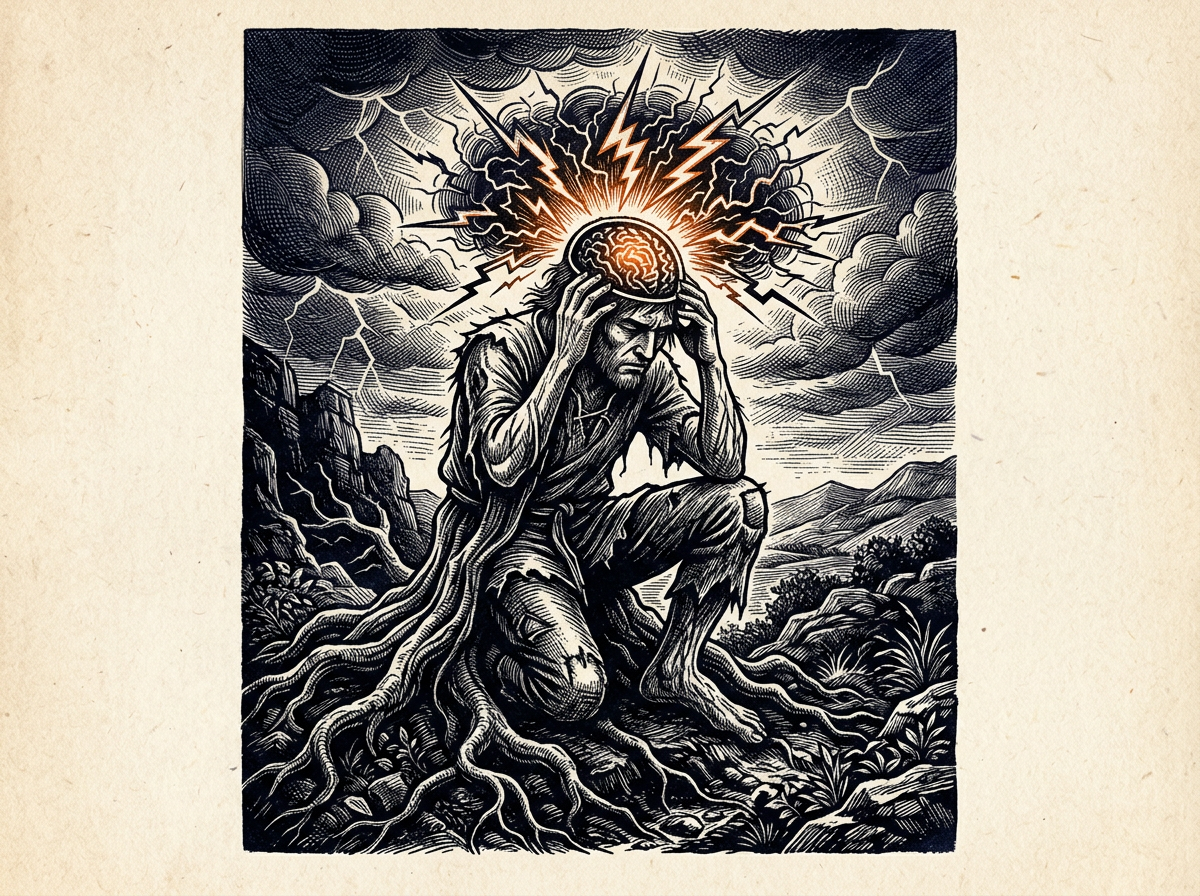
You cannot reason with a nervous system set on fire. Pure cognitive restructuring fails complex trauma survivors because subcortical threat responses routinely disable the prefrontal cortex during physiological activation. By prioritizing bottom-up somatic stabilization to widen the window of tolerance, practitioners can safely clear a path for meaningful narrative integration and lasting self-coherence.
read dispatch →
Dispatch No. 01 — 12 Oct 2026 share story ↗
Integrating Somatic and Cognitive Modalities in Complex Trauma Recovery: A Mind-Body Framework
CLINICAL LESSON: SOMATIC STABILIZATION
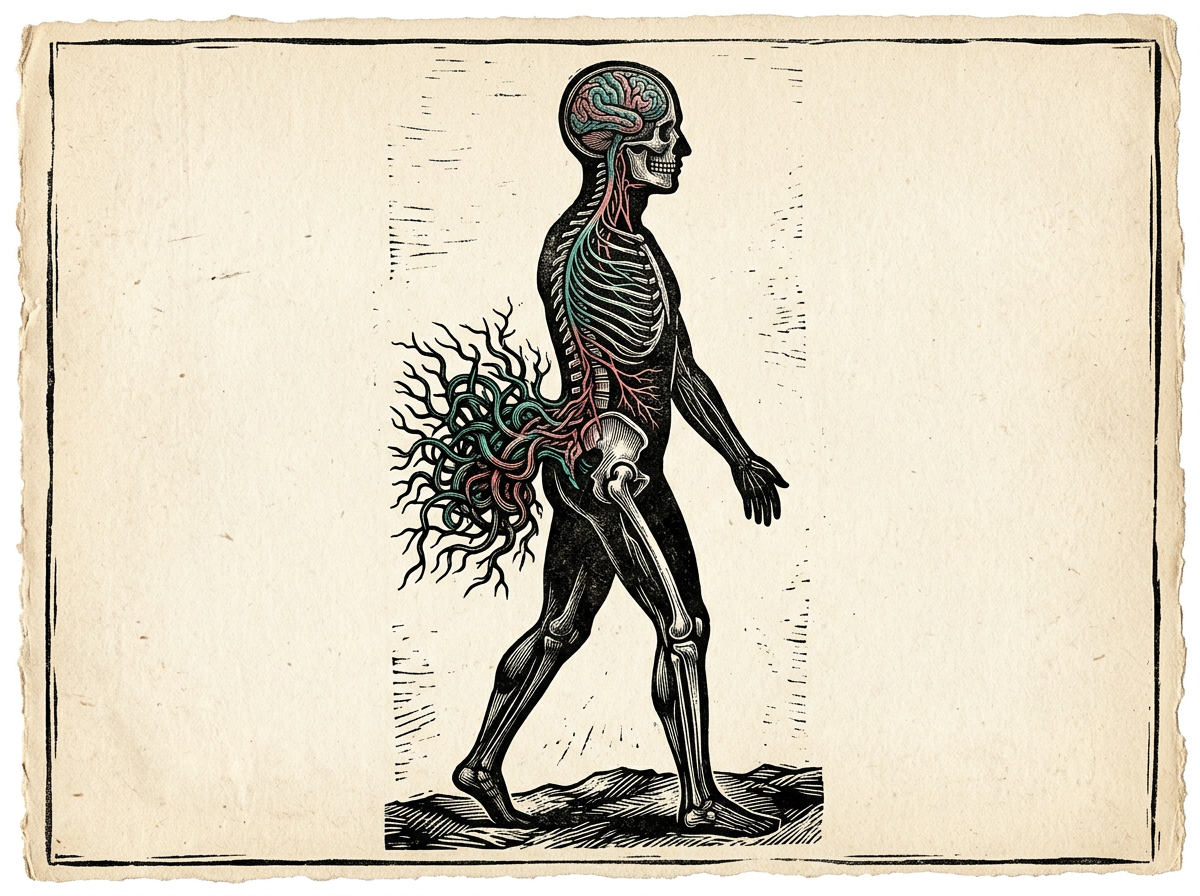
Why cognitive trauma therapy fails without prior somatic regulation Cognitive restructuring cannot succeed when trauma keeps the autonomic nervous system in a state of chronic hyperarousal. Only after establishing bottom-up physiological safety through interoceptive awareness can survivors safely integrate their memories into a coherent self-narrative.
read dispatch →
Dispatch No. 02 — 12 Oct 2026 share story ↗
Integrating Somatic and Cognitive Modalities in Complex Trauma Recovery: A Mind-Body Framework
THERAPEUTIC PHASING: SOMATIC STABILIZATION
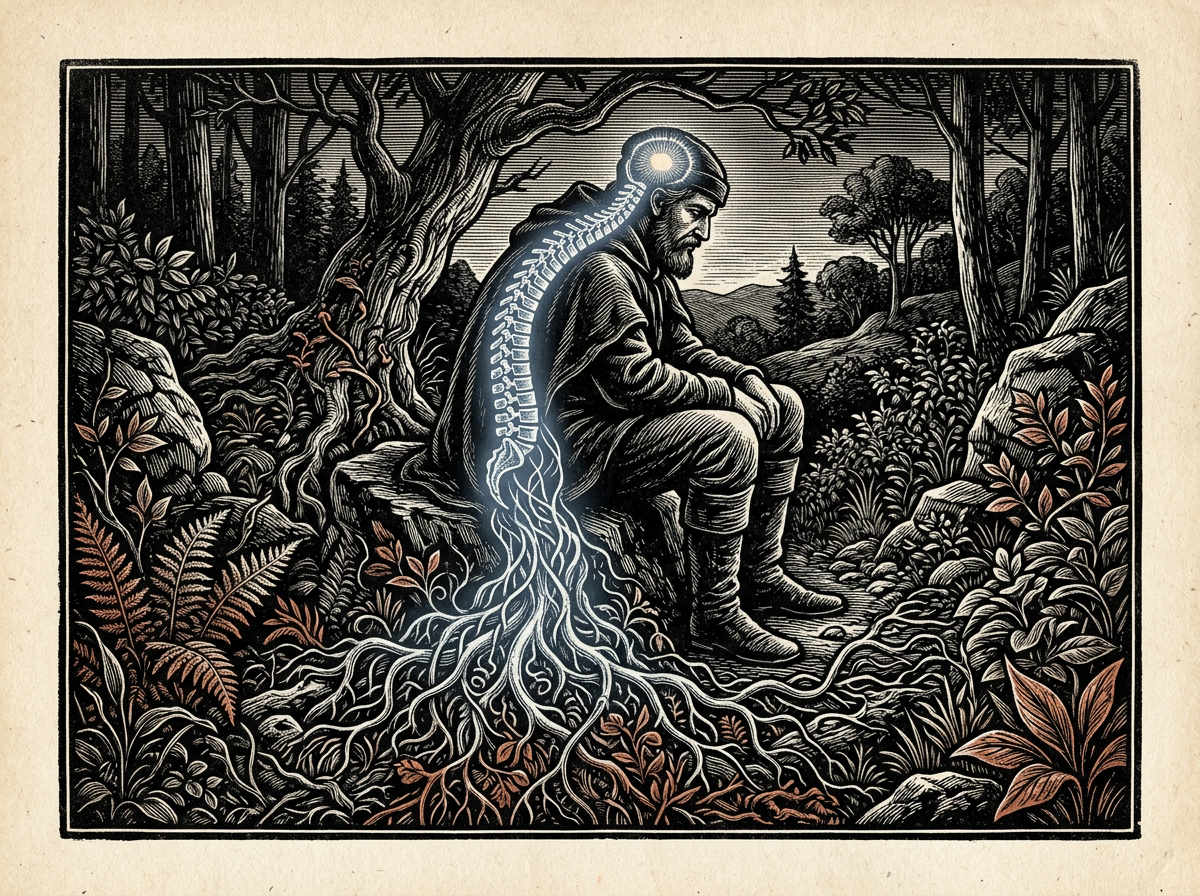
Talk therapy falls short until the traumatized body finds safety. While standard cognitive therapies attempt to reframe narrative distortions directly, effective trauma recovery demands stabilizing the dysregulated autonomic nervous system through bodily awareness before mental reframing can take hold. This phased framework succeeds only when physiological safety precedes intellectual insight, showing that emotional healing requires calming subcortical survival alarms first.
read dispatch →
Dispatch No. 03 — 12 Oct 2026 share story ↗
Integrating Somatic and Cognitive Modalities in Complex Trauma Recovery: A Mind-Body Framework
CORE SEQUENCING: SOMATIC STABILIZATION
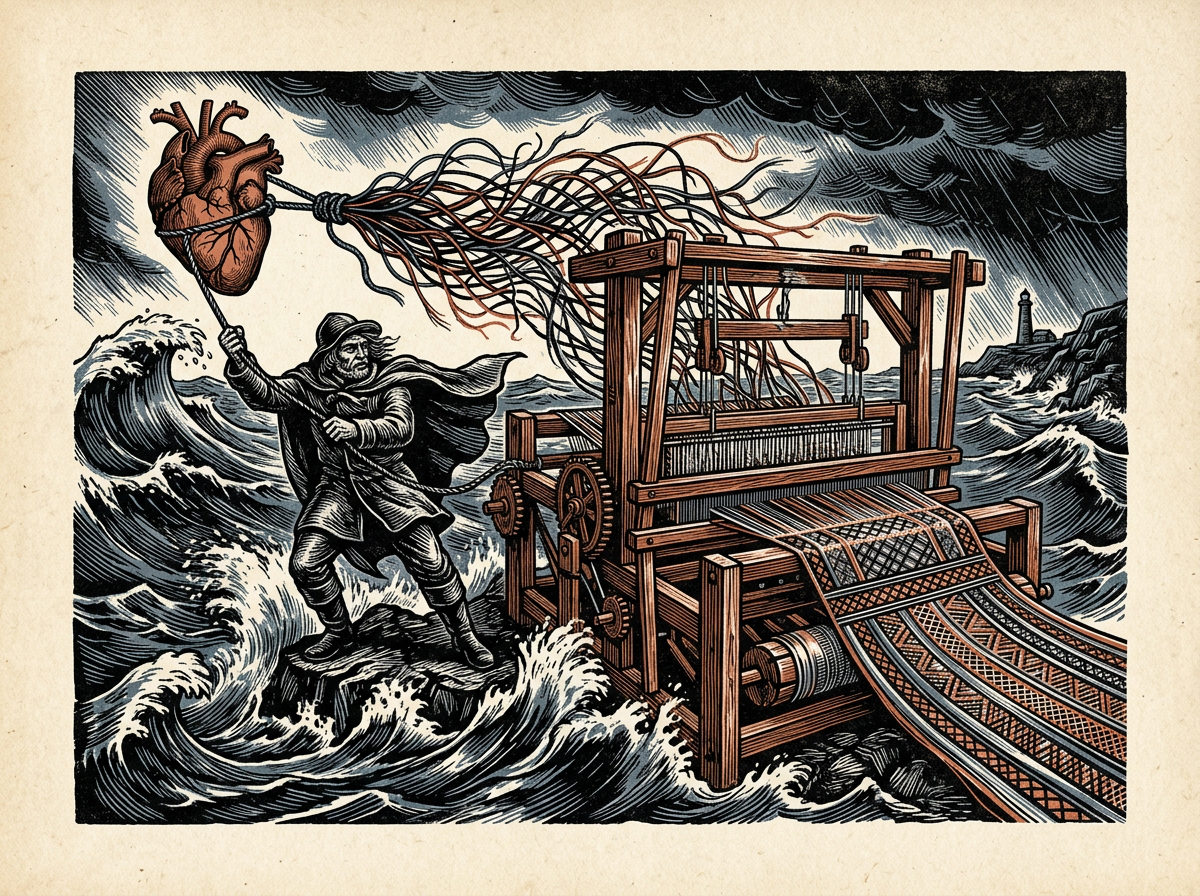
The body must settle before the mind can speak Purely cognitive talk therapies fail trauma survivors because top-down reasoning cannot soothe a panicked autonomic nervous system. True recovery requires first anchoring the body through somatic regulation, creating the physiological safety necessary to reconstruct a coherent life story.
read dispatch →
Dispatch No. 04 — 12 Oct 2026 share story ↗
Integrating Somatic and Cognitive Modalities in Complex Trauma Recovery: A Mind-Body Framework
SOMATIC FIRST: TRAUMA RECOVERY
The body must find safety before talk therapy can take hold. Cognitive restructuring inevitably falters when a dysregulated autonomic nervous system locks the prefrontal cortex out of processing traumatic activation. By systematically sequencing bottom-up somatic stabilization prior to top-down narrative reconstruction, individuals can safely transform implicit physiological distress into explicit, integrated personal history.
read dispatch →
Dispatch No. 05 — 12 Oct 2026 share story ↗
Integrating Somatic and Cognitive Modalities in Complex Trauma Recovery: A Mind-Body Framework
THERAPEUTIC PRIORITY: BODILY STABILIZATION
Reason alone cannot soothe a body still trapped in trauma Traditional talk therapy fails complex trauma survivors because chronic autonomic dysregulation renders subcortical survival mechanisms inaccessible to top-down reasoning. True psychological integration requires first stabilizing the nervous system through bottom-up somatic grounding before structured narrative reconstruction can take hold.
read dispatch →
Dispatch No. 06 — 12 Oct 2026 share story ↗
Integrating Somatic and Cognitive Modalities in Complex Trauma Recovery: A Mind-Body Framework
THERAPEUTIC ORDER: BODY STABILIZATION
The body must settle before the mind can speak Cognitive therapy often fails in complex trauma recovery unless bottom-up somatic grounding first calms a dysregulated autonomic nervous system. By sequencing physical interoception before narrative reconstruction, survivors can safely transform implicit bodily panic into a coherent personal history.
read dispatch →
Dispatch No. 07 — 12 Oct 2026 share story ↗
Integrating Somatic and Cognitive Modalities in Complex Trauma Recovery: A Mind-Body Framework
CLINICAL SEQUENCE: SOMATIC GROUNDING
The body must settle before the mind can rebuild its story Cognitive reframing fails when applied to a dysregulated nervous system because subcortical survival mechanisms override top-down language processing. Sustainable trauma recovery demands a strict sequence that calms physical dysregulation before attempting to reconstruct an autobiographical narrative.
read dispatch →
Dispatch No. 08 — 12 Oct 2026 share story ↗
Integrating Somatic and Cognitive Modalities in Complex Trauma Recovery: A Mind-Body Framework
CLINICAL IMPERATIVE: SOMATIC STABILIZATION
The body must feel safe before the mind can speak Complex trauma dismantles top-down reasoning, meaning narrative processing succeeds only after the nervous system is brought back to safety through physical regulation. By sequencing bottom-up somatic grounding before cognitive reconstruction, survivors can safely integrate fragmented memories without triggering physiological overload.
read dispatch →
Dispatch No. 09 — 12 Oct 2026 share story ↗
Integrating Somatic and Cognitive Modalities in Complex Trauma Recovery: A Mind-Body Framework
ESSENTIAL STEP: SOMATIC STABILIZATION
Body first, story second: Why trauma needs somatic regulation Modern trauma therapy requires bottom-up somatic grounding before top-down cognitive restructuring can successfully integrate traumatic memories. While narrative reconstruction remains vital for long-term selfhood, cognitive tools only function once the autonomic nervous system is brought out of threat mode.
read dispatch →
Dispatch No. 10 — 12 Oct 2026 share story ↗
Integrating Somatic and Cognitive Modalities in Complex Trauma Recovery: A Mind-Body Framework
PRIMAL BARRIER: SOMATIC DYSREGULATION
Healing complex trauma requires soothing the body before rewriting the story Traditional cognitive therapies often falter against complex trauma because top-down reasoning cannot override a chronically dysregulated nervous system. By prioritizing bottom-up somatic stabilization before narrative reconstruction, clinicians can safely guide survivors from physiological overwhelm toward integrated selfhood.
read dispatch →
Dispatch No. 11 — 12 Oct 2026 share story ↗
Integrating Somatic and Cognitive Modalities in Complex Trauma Recovery: A Mind-Body Framework
THERAPEUTIC PRIORITY: TRAUMA STABILIZATION
The body must settle before the story can be retold While traditional talk therapy attempts to alter cognitive frameworks through reason, severe complex trauma dysregulates subcortical alarm systems, rendering top-down processing ineffective until physiological safety is established. By systematically sequencing bottom-up somatic grounding before cognitive narrative reconstruction, clinicians can safely stabilize the autonomic nervous system and help survivors integrate fragmented memories into a coherent self.
read dispatch →
Dispatch No. 12 — 12 Oct 2026 share story ↗
Integrating Somatic and Cognitive Modalities in Complex Trauma Recovery: A Mind-Body Framework
PRIMARY STEP: BODY REGULATION
Grounding the nervous system precedes rewriting the mind. Traditional cognitive therapy frequently falters against complex trauma because intense biological dysregulation disables the mind's capacity for verbal processing. First stabilizing the autonomic nervous system through body-focused somatic practices enables survivors to safely articulate and integrate their past experiences.
read dispatch →
Dispatch No. 13 — 12 Oct 2026 share story ↗
Integrating Somatic and Cognitive Modalities in Complex Trauma Recovery: A Mind-Body Framework
THERAPEUTIC SEQUENCE: SOMATIC GROUNDING
Healing complex trauma requires grounding the body before retelling the story Traditional cognitive therapy often falls short in complex trauma recovery because a dysregulated autonomic nervous system blocks top-down executive reasoning. By prioritizing bottom-up somatic stabilization before narrative reconstruction, survivors can safely integrate traumatic memories into a coherent sense of self.
read dispatch →
Dispatch No. 14 — 12 Oct 2026 share story ↗
Integrating Somatic and Cognitive Modalities in Complex Trauma Recovery: A Mind-Body Framework
NEURAL PREREQUISITE: SOMATIC SAFETY
Why talk therapy fails until the body feels safe Complex trauma dysregulates the autonomic nervous system, rendering cognitive talk therapy ineffective until bottom-up bodily stabilization calms subcortical survival mechanisms. By systematically building interoceptive awareness first, survivors can safely engage in narrative reconstruction without triggering secondary traumatization.
read dispatch →
Dispatch No. 15 — 12 Oct 2026 share story ↗
Cognitive Architecture of Abundance: A Philosophy of Mind Approach to Wealth Generation Frameworks
COGNITIVE REFRAMING: PROSPERITY LITERATURE
The real science hidden inside classical prosperity literature Strip away the esoteric jargon of classical wealth philosophies, and one finds early intuitive models of cognitive behavioral reframing and neuroplastic goal priming. To convert these psychological insights into actual economic progress, practitioners must continuously refine their mental models through rigorous real-world feedback.
read dispatch →
Dispatch No. 16 — 03 Oct 2026 share story ↗
Cognitive Architecture of Abundance: A Philosophy of Mind Approach to Wealth Generation Frameworks
CORE VALUE: COGNITIVE RESTRUCTURING
Stripping mysticism from prosperity texts reveals useful tools for cognitive restructuring. While early prosperity literature relies heavily on metaphysical jargon, its underlying mechanics align closely with modern cognitive behavioral therapy and dual-process theory. By replacing mystical assumptions with structured mental reframing and empirical feedback, readers can convert passive wishful thinking into sustained, goal-directed action.
read dispatch →
Dispatch No. 17 — 01 Oct 2026 share story ↗
The Seeker and the Sage: Epistemological Quests and Eudaimonic Realization in Classical Stoicism
STOIC PRACTICE: COGNITIVE RESILIENCE
How auditing your impressions turns ancient Stoicism into durable mental resilience While Stoic philosophy risks devolving into passive intellectual consumption, combining ancient self-auditing techniques with modern cognitive reframing offers a genuine discipline for emotional stability. By systematically decoupling self-worth from external outcomes through daily journaling and deliberate moral action, the practitioner converts fragile curiosity into enduring internal equilibrium.
read dispatch →
Dispatch No. 18 — 01 Oct 2026 share story ↗
Deconstructing the Authenticity Paradox: Mitigating Imposter Phenomenon Among High-Achieving Professionals
FALSE TRAP: RIGID AUTHENTICITY
Do not mistake the discomfort of growth for professional fraudulence. Emerging leaders often mistake the awkwardness of acquiring new strategic behaviors for personal inauthenticity and fraudulence. By treating professional identity as an evolving experiment calibrated against objective evidence, high achievers can expand their capabilities without sacrificing core integrity.
read dispatch →
Dispatch No. 19 — 28 Sept 2026 share story ↗
Cognitive Architecture of Abundance: A Philosophy of Mind Approach to Wealth Generation Frameworks
MENTAL RESTRUCTURING: PROSPERITY LITERATURE
How classic prosperity literature functions as early cognitive science Stripping away the metaphysical claims of classic prosperity texts reveals an effective pre-scientific framework for shifting mindsets from reactive scarcity to strategic intentionality. Translating magical thinking into cognitive behavioral economics demonstrates how structured mental reframing and self-efficacy drive real-world socioeconomic decision-making.
read dispatch →
Dispatch No. 20 — 28 Sept 2026 share story ↗
The Seeker and the Sage: Epistemological Quests and Eudaimonic Realization in Classical Stoicism
CORE DILEMMA: ABSTRACT PERFECTION
The unreachable Stoic sage works best as an internal compass Classical Stoicism offers a surprisingly modern blueprint for psychological resilience by treating cognitive reframing and daily moral auditing as essential therapeutic habits. Yet its true utility lies not in chasing an unattainable standard of absolute emotional detachment, but in using the ideal sage as a practical guide for real-world chaos.
read dispatch →
Dispatch No. 21 — 28 Sept 2026 share story ↗
Integrating Somatic and Cognitive Modalities in Complex Trauma Recovery: A Mind-Body Framework
PHYSIOLOGICAL PRIORITY: TRAUMA RECOVERY
Soothe the body before you rewrite the mind's trauma narrative. Purely cognitive approaches to complex trauma often fail because severe nervous system dysregulation prevents the prefrontal cortex from effectively processing thought. Sustainable recovery requires a sequenced approach that stabilizes bodily physiology first, creating the necessary safety for eventual narrative integration.
read dispatch →
Dispatch No. 22 — 28 Sept 2026 share story ↗
Integrating Somatic and Cognitive Modalities in Complex Trauma Recovery: A Mind-Body Framework
CLINICAL IMPERATIVE: BODILY STABILIZATION
Why trauma recovery requires calming the body before reframing the mind. Cognitive reframing often fails trauma survivors because acute physiological distress disables the brain's linguistic and reasoning centers. Lasting recovery requires stabilizing the autonomic nervous system through somatic awareness before meaningful narrative reconstruction can take place.
read dispatch →
Dispatch No. 23 — 21 Sept 2026 share story ↗
Integrating Somatic and Cognitive Modalities in Complex Trauma Recovery: A Mind-Body Framework
THERAPEUTIC FRAMEWORK: SOMATIC RECOVERY
Healing complex trauma requires grounding the body before rewriting the mind. Traditional cognitive therapy often falls short in treating complex trauma because high arousal shuts down the brain's language processing centers. By pairing bottom-up somatic grounding with titrated narrative writing, survivors can systematically regulate their nervous systems and rebuild a cohesive identity.
read dispatch →
Dispatch No. 24 — 20 Sept 2026 share story ↗
Integrating Somatic and Cognitive Modalities in Complex Trauma Recovery: A Mind-Body Framework
THERAPEUTIC LIMIT: PURE COGNITION
Intellectual insight cannot soothe a body trapped in survival mode Cognitive interventions frequently fail complex trauma survivors because subcortical survival patterns remain immune to purely rational reframing. True recovery requires first stabilizing autonomic physiology through somatic awareness before any coherent narrative identity can be safely rebuilt.
read dispatch →
Dispatch No. 25 — 19 Sept 2026 share story ↗
Integrating Somatic and Cognitive Modalities in Complex Trauma Recovery: A Mind-Body Framework
CLINICAL BLINDSPOT: UNINTEGRATED SOMATICS
Healing complex trauma requires grounding the body before rewriting the mind Traditional talk therapy falls short in addressing complex trauma because extreme distress lives in the subcortical nervous system beyond the immediate reach of cognitive reframing. By prioritizing physiological stabilization and somatic awareness prior to narrative work, practitioners establish the necessary grounded foundation for lasting cognitive integration.
read dispatch →
Dispatch No. 26 — 18 Sept 2026 share story ↗
Socratic Intellectualism and Moral Leadership: Virtue, Corruption, and the Dialectic of Character in Classical Athens
EXECUTIVE HUBRIS: ETHICAL BLINDNESS
Strategic brilliance cannot replace character in modern leadership. While raw intellect and charismatic authority can drive rapid success, the tragic fall of Alcibiades shows that strategic genius without foundational virtue inevitably breeds destructive hubris. Modern organizations must therefore embed dialectical questioning and rigorous character diagnostics into governance structures to ensure exceptional talent serves institutional integrity rather than personal ambition.
read dispatch →
Dispatch No. 27 — 17 Sept 2026 share story ↗
Democratizing Hellenistic Ethics: Pedagogical Strategies and Popularizations of Stoic Philosophy in Contemporary Discourse
SYSTEMIC LOSS: CIVIC DUTY
Modern Stoicism traded cosmic duty for individual coping tools While modern self-help correctly identifies Stoicism's powerful tools for cognitive reappraisal, it dangerously excises the physics and logic that anchored ancient ethical action in public duty. To salvage the philosophy, practitioners must reconnect daily emotional regulation habits to broader obligations toward human community.
read dispatch →
Dispatch No. 28 — 17 Sept 2026 share story ↗
Ataraxia in Societal Instability: Hellenistic Coping Mechanisms for Macro-Environmental Stressors
COGNITIVE ARMOR: SYSTEMIC ANXIETY
Stoicism provides psychological armor against modern civilizational crisis. Applying ancient Stoic doctrines like the dichotomy of control offers an empirically supported framework for maintaining psychological stability during societal turmoil. By deliberately distinguishing controllable internal actions from chaotic external variables, individuals can preserve emotional clarity without collapsing into despair.
read dispatch →
Dispatch No. 29 — 17 Sept 2026 share story ↗
Cognitive Restructuring through Classical Antiquity: Integrating Stoic Epistemology with Modern Psychotherapy
THERAPEUTIC ANCESTORS: STOIC RIGOR
Stripped of self-help buzzwords, Stoic discipline offers genuine cognitive leverage Long before the advent of modern cognitive behavioral therapy, Stoic thinkers like Marcus Aurelius developed systematic practices of cognitive reframing and emotional regulation to navigate acute crises. By grounding these ancient techniques of decentering and structured self-auditing in contemporary psychological research, individuals can cultivate authentic resilience beyond standard self-help clichés.
read dispatch →
Dispatch No. 30 — 17 Sept 2026 share story ↗
The Hermeneutics of Imperial Stoicism: Textual Transmission and Modern Translation Theory in Marcus Aurelius's Meditations
EDITORIAL DRIFT: POPULAR STOICISM
Marcus Aurelius demands a cognitive discipline, not mere self-help quotes While modern self-help often degrades Marcus Aurelius’s Meditations into superficial motivational quotes, his private exercises represent a sophisticated, integrated system of cognitive defusion rooted in Hellenistic philosophy. To preserve the true utility of these ancient mental practices, modern readers must ground their study in rigorous translation that respects the text's original philosophical architecture.
read dispatch →
Dispatch No. 31 — 17 Sept 2026 share story ↗
Socratic Intellectualism and Moral Leadership: Virtue, Corruption, and the Dialectic of Character in Classical Athens
SYSTEMIC RISK: UNCHECKED HUBRIS
Technical genius cannot replace the hard work of character While modern executive recruitment heavily prioritizes raw talent and domain mastery, institutionalizing Socratic self-examination offers a vital defense against the corrupting dynamics of authority. However, embedding dialectic inquiry into governance only works when institutions pair moral reflection with structural safeguards that actively invite dissent.
read dispatch →
Dispatch No. 32 — 16 Sept 2026 share story ↗
Democratizing Hellenistic Ethics: Pedagogical Strategies and Popularizations of Stoic Philosophy in Contemporary Discourse
KEY ERROR: ATOMIZED OPTIMIZATION
Stripping Stoicism down to productivity hacks destroys its true moral power While popular adaptations of Stoicism successfully democratize ancient cognitive tools for managing modern anxiety, they routinely strip away the logical and cosmological frameworks that bound individual resilience to public duty. To salvage the true power of Hellenistic ethics, readers must reconnect these practical exercises with their original commitment to virtue and cosmopolitan responsibility.
read dispatch →
Dispatch No. 33 — 16 Sept 2026 share story ↗
Ataraxia in Societal Instability: Hellenistic Coping Mechanisms for Macro-Environmental Stressors
COGNITIVE BUFFER: SYSTEMIC ANXIETY
Stoic emotional regulation offers a practical buffer against modern systemic chaos. Translating ancient Stoic exercises into modern cognitive frameworks provides a proven blueprint for managing overwhelming macro-environmental stress. By auditing agency and pre-visualizing worst-case scenarios, individuals can preserve prefrontal executive function without collapsing into decision paralysis.
read dispatch →
Dispatch No. 34 — 16 Sept 2026 share story ↗
Cognitive Restructuring through Classical Antiquity: Integrating Stoic Epistemology with Modern Psychotherapy
ANCIENT ANTECEDENT: COGNITIVE REFRAMING
Modern therapy's best cognitive tools were perfected on the Roman frontier. Modern cognitive behavioral therapy frequently presents emotional regulation as a novel clinical breakthrough, yet its core mechanisms directly mirror the ancient self-directed discipline of Roman Stoicism. By reviving techniques like the dichotomy of control and rigorous analytical journaling, contemporary practitioners can reclaim a time-tested framework for building enduring psychological resilience.
read dispatch →
Dispatch No. 35 — 16 Sept 2026 share story ↗
The Hermeneutics of Imperial Stoicism: Textual Transmission and Modern Translation Theory in Marcus Aurelius's Meditations
PHILOSOPHICAL DRIFT: PRIVATE THERAPY
Turning imperial duty into modern self-help dilutes Stoic wisdom Modern translations of Marcus Aurelius frequently reduce an imperial ethos of cosmic duty into a privatized tool for emotional self-regulation. Yet while this therapeutic framing flattens Stoic metaphysics, the underlying practice of cognitive reframing remains a valuable discipline for navigating crisis.
read dispatch →
Dispatch No. 36 — 16 Sept 2026 share story ↗
Epictetus's Enchiridion: Textual Commentary and Visual Synthesis of Practical Stoic Ethics
CORE MECHANIC: COGNITIVE PAUSE
Long before cognitive therapy, Stoicism mastered the deliberate pause. Epictetus’s Enchiridion provides a remarkably durable framework for cognitive reframing, correctly identifying that distress stems from unexamined impressions rather than objective external events. When applied as active metacognitive friction rather than passive resignation, this ancient methodology offers a genuine blueprint for emotional self-sovereignty.
read dispatch →
Dispatch No. 37 — 15 Sept 2026 share story ↗
Dichotomy of Control and Psychological Resilience: A Comprehensive Guide to Classical Stoic Praxis
CORE MECHANISM: COGNITIVE APPRAISAL
Ancient Stoic techniques provide genuine resilience when grounded in real agency. By aligning classical Stoic practices with modern cognitive behavioral principles, the framework demonstrates how disciplined cognitive appraisal reduces emotional distress and trait anxiety. This ancient architecture of mental hygiene remains genuinely useful when practiced as a tool for personal agency rather than emotional suppression.
read dispatch →
Dispatch No. 38 — 15 Sept 2026 share story ↗
Meaning Construction Versus Existential Void: A Comparative Analysis of Existentialism and Nihilism
MAIN TRAP: NIHILISTIC APATHY
Freedom begins where cosmic guarantees fall away. While nihilism treats the absence of objective truth as a sentence to paralysis, existentialism reinterprets cosmic silence as the necessary baseline for human agency. By confronting absurdity without resorting to dogmatic illusions, individuals can actively author resilient personal values grounded in disciplined daily action.
read dispatch →
Dispatch No. 39 — 15 Sept 2026 share story ↗
Radical Freedom, Bad Faith, and Ontological Responsibility in Jean-Paul Sartre's Existential Philosophy
MAIN DEFENSE: FEIGNED HELPLESSNESS
Why claiming you have no choice is your ultimate self-deception Sartre’s radical existentialism strips away our convenient excuses of circumstance, insisting that every passive surrender to social roles is an active choice made to evade the anxiety of freedom. By confronting bad faith, we can salvage genuine personal agency, turning absolute self-determination into a deliberate foundation for authentic daily living.
read dispatch →
Dispatch No. 40 — 15 Sept 2026 share story ↗
Cognitive Rumination and Metacognitive Interventions: A Scholarly Inquiry into Excessive Mental Processing
CHRONIC OVERTHINKING: RECURSIVE ANALYSIS
How containing mental loops transforms endless rumination into clear insight While the human mind relies on self-reflection to parse distress, unconstrained internal processing frequently devolves into a self-reinforcing loop of passive anxiety. By establishing temporal boundaries around worry and treating thoughts as passing events, one can quiet default neural networks and ground intellect in active living.
read dispatch →
Dispatch No. 41 — 15 Sept 2026 share story ↗
The Hermeneutics of Subjectivity: Interpreting the Central Significance of Existentialism
CORE VALUE: RADICAL FREEDOM
Radical self-determination remains our best defense against technological alienation. By placing individual existence before any pre-defined essence, existential philosophy forces us to confront the terrifying responsibility of authoring our own moral purpose. In an era dominated by algorithmic conformity and digital identity fragmentation, this demand for authentic self-hood provides an indispensable tool for preserving agency.
read dispatch →
Dispatch No. 42 — 14 Sept 2026 share story ↗
Agency, Ethics, and Emancipation: The Intellectual Tradition of Philosophical Humanism
CORE VALUE: AUTONOMOUS AGENCY
To salvage human agency, we must accept unvarnished moral accountability. Philosophical humanism endures not as a rigid dogma, but as an evolving commitment to self-directed moral responsibility independent of divine authority. To remain meaningful today, this tradition must balance its emphasis on individual agency with an honest reckoning of its historical blind spots.
read dispatch →
Dispatch No. 43 — 14 Sept 2026 share story ↗
Confronting the Void: The Epistemological Foundations of Camusian Absurdism
CORE FRICTION: FALSE TRANSCENDENCE
Why holding unresolvable tension is better than forcing cheap meaning Camus's absurdism rightfully identifies that true intellectual integrity requires refusing both despair and comforting fabrications when faced with an indifferent world. By choosing to endure this permanent tension rather than fleeing into easy answers, we preserve an unvarnished clarity about our actual place in reality.
read dispatch →
Dispatch No. 44 — 14 Sept 2026 share story ↗
The Framework of Freedom: An Introductory Exposition of Existentialist Thought
CORE PROBLEM: SELF DECEPTION
Radical freedom requires us to stop hiding behind modern scripts. Existentialism asserts that individuals possess no innate purpose, requiring each person to forge their own identity through radical freedom and deliberate action. By resisting the comfort of bad faith and confronting mortality, we transform existential anxiety into an authentic framework for personal agency.
read dispatch →
Dispatch No. 45 — 14 Sept 2026 share story ↗
The Scope and Methodology of Inquiry: An Introduction to Academic Philosophy
FOUNDATIONAL METHOD: CONCEPTUAL RIGOR
Academic philosophy provides the necessary scaffolding for all empirical truth. Academic philosophy offers a necessary, systematic discipline for dissecting assumptions and testing the logical coherence of human thought. While its abstractions can seem detached from daily life, its methods of conceptual mapping and dialectical inquiry remain indispensable anchors for empirical progress.
read dispatch →
Dispatch No. 46 — 14 Sept 2026 share story ↗
The Ontological Priority of Existence: Defining the Core Tenets of Existentialist Philosophy
MORAL BURDEN: RADICAL FREEDOM
The terrifying freedom of building a life without a script Existentialism upends traditional metaphysics by insisting that humans exist first and define their purpose only through continuous choice and action. By stripping away deterministic blueprints, this philosophy places the full weight of ethical responsibility and self-creation entirely on the individual.
read dispatch →
Dispatch No. 47 — 14 Sept 2026 share story ↗
Cognitive Rumination and Metacognitive Therapy: A Critical Review of Contemporary Self-Help Literature
CORE ERROR: SURFACE FIXES
Changing what you think will not cure your overthinking While popular self-help books offer accessible psychoeducation, they often fail by teaching readers to manage surface thought content rather than cognitive processing styles. True relief from chronic rumination requires moving beyond quick behavioral fixes to address the underlying metacognitive beliefs that sustain mental loops.
read dispatch →
Dispatch No. 48 — 14 Sept 2026 share story ↗
Navigating Toponymic Ambiguity: The Socio-Spatial Historiography of West Seneca, New York
SEARCH DIVERGENCE: TOPONYMIC AMBIGUITY
Untangling local history from classical philosophy in search algorithms. While automated search systems easily conflate modern civic geographies with ancient thinkers, establishing rigorous metadata protocols ensures that specific local histories are not lost to classical abstractions. By grounding digital archives in primary land records and clear contextual tagging, researchers can preserve both the distinct reality of Indigenous dispossession and modern municipal development.
read dispatch →
Dispatch No. 49 — 14 Sept 2026 share story ↗
Rhetoric and Resilience: A Philological Examination of Classical Stoic Aphorisms
PHILOSOPHICAL PRACTICE: COGNITIVE REFRAMING
Stoic maxims are cognitive tools, not cheap motivational slogans Stoic aphorisms were engineered as practical linguistic devices designed to interrupt negative thought loops through rhetorical compression and mental discipline. When grounded in authentic primary sources rather than sentimental platitudes, these classical maxims offer an enduring framework for modern emotional regulation.
read dispatch →
Dispatch No. 50 — 14 Sept 2026 share story ↗
The Victorian Synthesis: Nineteenth-Century Appropriations of Classical Stoic Ethics
IDEOLOGICAL DISTORTION: IMPERIAL STOICISM
How Victorian institutions turned ancient Stoicism into an imperial code Nineteenth-century British educators and administrators systematically repurposed classical Stoic philosophy, replacing Hellenistic cosmopolitanism with a disciplined framework for national duty and emotional restraint. By converting ancient ethical texts into practical tools for civil service and imperial governance, Victorian institutions successfully forged a secular code of character suited to industrial and geopolitical expansion.
read dispatch →
Dispatch No. 51 — 14 Sept 2026 share story ↗
The Exhaustion Matrix: Clinical Etiology, Organizational Drivers, and Remediation of Occupational Burnout
SYSTEMIC FAILURE: WORKPLACE BURNOUT
Workplace burnout requires systemic boundaries rather than superficial self-care Burnout stems from a structural mismatch between persistent workplace demands and available institutional support, making individual resilience alone insufficient for recovery. Reclaiming agency requires rigorous diagnostic tracking, non-negotiable temporal boundaries, and proactive job crafting to align daily tasks with core values.
read dispatch →
Dispatch No. 52 — 13 Sept 2026 share story ↗
Mechanical Entropy vs. Human Exhaustion: Metaphorical and Practical Dimensions of the 'Burnout' Phenomenon
CORE HAZARD: ADMINISTRATIVE FRICTION
The thermodynamics of exhaustion require structural cooling, not personal resilience. Mapping mechanical entropy onto modern labor demonstrates that burnout stems from high administrative friction without forward momentum rather than individual weakness. Preventing systemic breakdown requires organizations to treat rest as mandatory thermal cooling while actively eliminating bureaucratic resistance.
read dispatch →
Dispatch No. 53 — 13 Sept 2026 share story ↗
Beyond the Intelligence Quotient: Neuro-Leadership and the Five Domains of Emotional Intelligence
CORE COMPETENCY: EMOTIONAL REGULATION
The true discipline of leadership begins with governing the nervous system. While corporate rhetoric often dilutes Daniel Goleman’s framework, the underlying neuroscience demonstrates that physiological self-regulation is essential for high-stakes decision-making. By intercepting reactive stress responses through cognitive reframing and active empathy, leaders convert raw intellect into stable institutional governance.
read dispatch →
Dispatch No. 54 — 13 Sept 2026 share story ↗
The Manual of Freedom: Practical Asceticism and Psychological Mastery in the Enchiridion of Epictetus
CORE PRACTICE: COGNITIVE RESILIENCE
Epictetus offered a discipline for moral agency, not mere coping The Enchiridion of Epictetus provides a precise historical precursor to modern cognitive behavioral therapy by training the mind to separate external events from subjective judgments. While these ancient mental drills effectively cultivate emotional resilience under duress, their true value lies not in detached indifference but in preserving moral volition.
read dispatch →
Dispatch No. 55 — 13 Sept 2026 share story ↗
Navigating the Abyss: The Philosophical Transition from Destructive Nihilism to Existential Construction
CHIEF PERIL: PASSIVE NIHILISM
Turning existential paralysis into a disciplined practice of self-authorship While self-help discourse frequently dismisses existential despair as mere apathy, this framework correctly diagnoses passive nihilism as cognitive burnout stemming from the loss of traditional structures. By anchoring agency in creative output, attitudinal courage, and self-imposed discipline, the individual converts an empty void into an intentional canvas for meaning.
read dispatch →
Dispatch No. 56 — 13 Sept 2026 share story ↗
Existence Preceding Essence: Freedom, Angst, and Responsibility in Continental Existentialism
CORE CONFLICT: INHERITED ROLES
Embracing radical freedom requires shedding the comfort of prefabricated identity. Existentialism strips away inherited blueprints and forces individuals to confront the terrifying absence of a predetermined essence. By rejecting bad faith and taking total ownership of personal agency, one transforms existential dread into deliberate self-authorship.
read dispatch →
Dispatch No. 57 — 13 Sept 2026 share story ↗
Thanatos and Substitution: Psychological Mechanisms and Grief Responses in Rapid Companion Animal Replacement
GRIEF EVASION: RAPID SUBSTITUTION
Don't replace a lost companion before learning to mourn them Attempting to bypass the ache of pet loss through immediate replacement creates unrealistic expectations for the new animal while suppressing unresolved grief. True emotional recovery requires honoring a structured mourning period so that subsequent companions are welcomed as distinct individuals rather than functional stand-ins.
read dispatch →
Dispatch No. 58 — 13 Sept 2026 share story ↗
Competing Hellenistic Therapies of the Soul: A Comparative Analysis of Stoic Duty and Epicurean Ataraxia
CORE SYNTHESIS: STRATEGIC RETREAT
To cure modern anxiety, balance Stoic duty with Epicurean retreat. Modern self-help often forces a false choice between endless civic striving and complete social withdrawal. By combining Stoic cognitive reframing with Epicurean desire reduction, individuals can build internal peace while remaining morally engaged.
read dispatch →
Dispatch No. 59 — 13 Sept 2026 share story ↗
The Primacy of Arete: Virtue as the Sole Good in Classical Stoic Axiology
ETHICAL FRAME: VIRTUE FIRST
Stoic virtue offers true resilience when stripped of modern performance buzzwords. Treating moral virtue as the sole intrinsic good insulates personal character from external market volatility and career anxiety. However, reducing classical Stoicism to a mere optimization protocol risks turning deep ethical duty into an instrument for self-interested corporate endurance.
read dispatch →
Dispatch No. 60 — 13 Sept 2026 share story ↗
Imperial Introspection: The Governance of Self and State in the Meditations of Marcus Aurelius
EXECUTIVE BURNOUT: VOLITIONAL AGENCY
Stoic self-governance transforms executive turmoil into operational clarity By reframing the private reflections of Marcus Aurelius through modern cognitive behavioral principles, the text demonstrates how leaders can decouple internal agency from chaotic external outcomes. Structured practices such as morning stress forecasting and nightly ethical reviews offer a pragmatic framework for sustaining strategic clarity under high-stakes pressure.
read dispatch →
Dispatch No. 61 — 13 Sept 2026 share story ↗
Kinetic Speed and Cognitive Processing: The Psychological Correlates of Gait Velocity
NEURAL TEMPO: AMBULATORY VELOCITY
What a fast stride reveals about the mind's inner tempo Empirical research demonstrates that a fast walking pace correlates with higher executive functioning, goal-directed personality traits, and adaptation to dense urban environments. By viewing physical gait as an expression of cognitive momentum rather than mere restlessness, practitioners can better align mental focus with daily movement.
read dispatch →
Dispatch No. 62 — 12 Sept 2026 share story ↗
The Practicing Stoic: Structuring Annual Reflection and Behavioral Modification Through Journaling
METHODOLOGICAL VALUE: ROUTINIZED REFLECTION
How ancient Stoic journaling turns self-examination into a modern cognitive habit Anchoring classical Stoic journaling in cognitive behavioral protocols offers a rigorous framework for emotional self-regulation and psychological resilience. When practiced as a deliberate, prospective and retrospective ritual, daily reflective writing successfully translates abstract philosophy into measurable moral growth.
read dispatch →
Dispatch No. 63 — 12 Sept 2026 share story ↗
Limnological Dynamics and Regional Economy: A Comprehensive Profile of Seneca Lake
DEEP BUFFER: LITTORAL FRAGILITY
Massive buffers conceal the fragile edges of shared natural capital. While Seneca Lake's massive thermal inertia stabilizes the regional microclimate and sustains a thriving wine economy, its vast volume conceals growing ecological stress along shallow shorelines. Sustaining long-term prosperity requires multi-stakeholder governance that treats these natural buffers not as infinite sinks, but as delicate systems demanding active stewardship.
read dispatch →
Dispatch No. 64 — 12 Sept 2026 share story ↗
Sovereignty, Culture, and History: An Anthropological Study of the Seneca Nation
KEY LESSON: INDIGENOUS SOVEREIGNTY
Ancient indigenous governance holds essential lessons for modern sovereignty The Seneca Nation maintains political autonomy through governance structures rooted in the Great Law of Peace. Respecting this enduring self-determination requires modern scholars to adopt ethical research practices grounded in tribal consent and historical truth.
read dispatch →
Dispatch No. 65 — 12 Sept 2026 share story ↗
Curated Stoicism: Textual Selection and Modern Adaptation of Senecan Epistolary Ethics
CURATED ETHICS: BEHAVIORAL STOICISM
How repackaging Seneca turns ancient letters into modern cognitive tools Restructuring Seneca's expansive epistles into thematic, actionable modules makes classical philosophy genuinely useful for modern stress management and emotional regulation. However, this functional repackaging only succeeds if editors preserve the intellectual weight of the original texts rather than diluting them into superficial self-help slogans.
read dispatch →
Dispatch No. 66 — 12 Sept 2026 share story ↗
Rhetoric, Statecraft, and Ethics: The Philosophical Corpus of Lucius Annaeus Seneca
APPLIED STOICISM: MORAL DETACHMENT
How Seneca turned autocratic survival into an enduring handbook for self-mastery By reframing material wealth and political authority as preferred indifferents, Seneca converted abstract Stoic doctrine into actionable daily protocols like cognitive time auditing and pre-imagining loss. While born from the moral compromises of an imperial court, his epistolary therapeutic method offers modern executives a disciplined framework for internal sovereignty under external pressure.
read dispatch →
Dispatch No. 67 — 12 Sept 2026 share story ↗
The Sovereign Self: Psychological Introspection and Governance in the Writings of Marcus Aurelius
INNER DISCIPLINE: EXTERNAL GOVERNANCE
Inner command remains the necessary foundation of public leadership Marcus Aurelius demonstrated that enduring external geopolitical crises requires an unrelenting commitment to private psychological introspection and moral audit. By translating Stoic spiritual exercises into regular self-examination, modern leaders can anchor executive authority in ethical restraint rather than egoistic impulse.
read dispatch →
Dispatch No. 68 — 12 Sept 2026 share story ↗
Imperial Stoicism: The Practical Philosophy of Marcus Aurelius in Modern Leadership
EXECUTIVE HYGIENE: IMPERIAL STOICISM
Stoicism for executives reframes ancient duty into modern crisis management Translating Marcus Aurelius’s private reflections into executive coaching risks flattening rich civic ethics into mere burnout prevention. Yet the core Stoic practice of decoupling internal judgment from external chaos remains a vital discipline for modern leaders.
read dispatch →
Dispatch No. 69 — 12 Sept 2026 share story ↗
Graphic Narratives of Acute Stress: Deconstructing Trauma in Contemporary Comic Art
VISUAL GRAMMAR: TRAUMA RECOVERY
Visual storytelling rebuilds what traumatic memory breaks into silent fragments. Sequential visual narratives provide a structural counterpart to traumatic memory by using broken panels and gutters to safely externalize disjointed psychological distress. When deployed with careful pacing and containment, graphic storytelling bridges the gap between unspeakable internal suffering and empathetic clinical understanding.
read dispatch →
Dispatch No. 70 — 12 Sept 2026 share story ↗
Epistemological Echoes: Cross-Cultural Traditions in Historical Wisdom Transmission
KEY RISK: HISTORICAL REDUCTIONISM
Ancient philosophy is an adaptive scaffold, not a corporate protocol While ancient cross-cultural traditions provide genuine cognitive heuristics for recurring human dilemmas, reducing millennia of philosophical thought into step-by-step organizational protocols risks flattening their depth into management jargon. The true value of historical wisdom lies not in templated strategic optimization, but in the ongoing, creative labor of contextually translating enduring ethics into modern life.
read dispatch →
Dispatch No. 71 — 12 Sept 2026 share story ↗
Comorbidity and Differential Diagnosis: Exploring the Clinical Intersection of Bipolar Disorder and Narcissistic Personality Pathology
DIAGNOSTIC CONFUSION: EPISODIC GRANDIOSITY
Untangling temporary mania from the permanent defense of narcissism. While manic episodes and narcissistic traits both manifest as inflated grandiosity, the former stems from acute neurobiological surges whereas the latter serves as a chronic defense against vulnerability. Disentangling the two requires observing behavioral patterns over extended time alongside integrated psychometric and pharmacological care.
read dispatch →
Dispatch No. 72 — 11 Sept 2026 share story ↗
Article 9
DIGITAL MEDIA: PARTICIPATORY READING
Web literature proves digital spaces can still foster genuine human empathy. Serialized web literature transforms passive media consumption into a participatory ritual where online reading communities actively co-create narrative meaning. By combining mobile-first visual pacing with embedded community spaces, these platforms cultivate cross-cultural empathy and decentralized literary engagement.
read dispatch →
Dispatch No. 73 — 11 Sept 2026 share story ↗
Article 8
COGNITIVE DRAIN: DECISION PARALYSIS
Restraining the overthinking mind requires structure, not endless analysis. Chronic rumination hyperactivates the brain's default mode network, consuming finite working memory and paralyzing effective decision-making. By instituting strict time constraints, shifting to immediate micro-actions, and simplifying daily choices, individuals can protect executive function from cognitive depletion.
read dispatch →
Dispatch No. 74 — 11 Sept 2026 share story ↗
Article 7
CORE ILLUSION: COGNITIVE FUSION
The mind creates its own suffering until metacognition intervenes Modern cognitive science confirms that psychological distress arises not from external events, but from our automatic tendency to mistake internal narratives for objective truth. By practicing metacognitive monitoring and linguistic defusion, individuals can decouple the observing self from disruptive thoughts to build lasting emotional resilience.
read dispatch →
Dispatch No. 75 — 11 Sept 2026 share story ↗
The Statesman and the Sage: Political Compromise and Moral Integrity in the Life of Seneca
MORAL SURVIVAL: SYSTEMIC CORRUPTION
The art of preserving moral integrity inside compromised institutions Operating within corrupt institutions often demands tactical participation, yet individuals can maintain ethical autonomy through deliberate psychological detachment and rigorous self-auditing. By constantly weighing daily administrative compromises against universal moral principles, one can exert positive systemic influence without forfeiting internal integrity.
read dispatch →
Dispatch No. 76 — 11 Sept 2026 share story ↗
Rhetoric, Paradox, and Practical Ethics: The Stoic Epistolary Contributions of Lucius Annaeus Seneca
MORAL METHOD: APPLIED STOICISM
Seneca's Stoic framework transforms abstract theory into daily mental discipline. Seneca rescues Stoic philosophy from dogmatic abstraction by operationalizing moral theory into a therapeutic routine of daily audits and intentional hardship. By grounding self-regulation in concrete behavioral habits, his epistolary method provides modern readers with a durable scaffold for mental resilience.
read dispatch →
Dispatch No. 77 — 11 Sept 2026 share story ↗
Canonical Texts of the Stoa: A Critical Bibliography and Thematic Evaluation of Classical Stoicism
PHILOSOPHICAL RIGOR: STOIC PRACTICE
Ancient Stoic texts yield mental clarity only through rigorous, active engagement. Classical Stoicism provides a structured framework for emotional resilience, provided readers engage directly with foundational texts rather than superficial summaries. By pairing careful translation analysis with disciplined daily journaling, modern readers can effectively transform ancient moral psychology into practical cognitive tools.
read dispatch →
Dispatch No. 78 — 11 Sept 2026 share story ↗
The Socratic Method in Contemporary Discourse: Epistemological Inquiry and Critical Thinking
EPISTEMIC TOOL: DIALECTICAL INQUIRY
The ancient discipline of questioning offers a cure for modern dogmatism. While modern discourse often degrades into competitive debate, reviving the Socratic method offers a structured framework for exposing unexamined assumptions through systematic inquiry. By prioritizing intellectual humility over rhetorical victory, practitioners can cultivate genuine critical thinking and shared truth discovery.
read dispatch →
Dispatch No. 79 — 11 Sept 2026 share story ↗
Navigating the Void: A Comparative Analysis of Stoic Resilience and Existentialist Freedom
PHILOSOPHICAL ANCHOR: PERSONAL AGENCY
How Stoicism and existentialism forge a practical blueprint for agency By combining the Stoic dichotomy of control with existentialism's radical responsibility, individuals can navigate an inherently purposeless universe through deliberate internal governance. This synthesis translates abstract continental and classical philosophy into a daily self-auditing protocol designed to fortify personal agency and active meaning-making.
read dispatch →
Dispatch No. 80 — 11 Sept 2026 share story ↗
The Psychological and Physiological Toll of Emergency Surgery: A Critical Examination of Trauma Surgeons
STRUCTURAL FAILURE: SURGICAL BURNOUT
To save trauma surgeons, replace personal resilience with structural support Although high-stakes medical emergencies demand acute focus, relying on individual resilience rather than systemic support accelerates severe psychological attrition among trauma surgeons. Preserving clinical longevity requires shifting from superficial self-care rhetoric to institutional protections like enforced recovery periods and structured cognitive debriefings.
read dispatch →
Dispatch No. 81 — 11 Sept 2026 share story ↗
Pharmacodynamics and Clinical Efficacy of Atomoxetine in the Treatment of Attention-Deficit/Hyperactivity Disorder
CHEMICAL FOCUS: SUSTAINED ATTENTION
The quiet chemistry of sustained focus requires patient structure While stimulant therapies offer rapid gratification, atomoxetine demonstrates that true executive control is built steadily through prefrontal regulation rather than subcortical reward surges. Lasting cognitive management requires enduring patience during clinical titration alongside structured behavioral strategies to turn neurological potential into daily function.
read dispatch →
Dispatch No. 82 — 09 Sept 2026 share story ↗
Systemic Trauma and Psychological Attrition: Analyzing "Black Fatigue" in Sociopolitical Contexts
INSTITUTIONAL HARM: RACIAL WEATHERING
Generic self-care cannot cure the physical toll of systemic trauma. Chronic racial stress produces measurable physiological weathering, proving that Black fatigue is a structural outcome rather than an individual failure of personal resilience. Meaningful remediation requires institutions to dismantle hidden operational burdens while supporting communal restoration rather than relying on superficial wellness trends.
read dispatch →
Dispatch No. 83 — 09 Sept 2026 share story ↗
Neuro-Affective Competencies: Daniel Goleman’s Framework of Emotional Intelligence in Organizational Leadership
CORE COMPETENCY: IMPULSE CONTROL
How emotional regulation turns raw impulse into reasoned leadership Daniel Goleman’s framework reframes emotional intelligence not as soft management advice, but as a vital biological circuit breaker against stress-induced panic. By practicing deliberate cognitive pauses and structured perspective-taking, leaders prevent knee-jerk reactions from undermining organizational stability.
read dispatch →
Dispatch No. 84 — 09 Sept 2026 share story ↗
Hellenistic Ethics and Freedom: The Epistemological Foundations of Epictetus
CORE LESSON: INTERNAL AGENCY
Epictetus reminds us that agency lives strictly in our choices. Epictetus's Stoic framework redefines human liberation not as external status or control over circumstance, but as the deliberate governance of our internal judgments. By anchoring resilience in our own choices rather than unpredictable world outcomes, this ancient discipline offers a durable path to mental autonomy.
read dispatch →
Dispatch No. 85 — 09 Sept 2026 share story ↗
The Praxis of Ancient Stoicism: Moral Agency and Rational Governance in Epictetan Philosophy
STOIC PRAXIS: COGNITIVE GOVERNANCE
Stoicism yields true resilience only when agency is strictly internalized. Epictetus reframes ancient Stoicism into a rigorous regimen of cognitive self-governance, demonstrating that emotional distress stems from unexamined impressions rather than external circumstance. While this radical detachment risks isolating the individual from societal influence, its commitment to ethical integrity and cosmopolitan duty preserves a vital blueprint for inner stability.
read dispatch →
Dispatch No. 86 — 09 Sept 2026 share story ↗
Psychological Resilience and Dichotomy of Control in the Discourses of Epictetus
COGNITIVE APPRAISAL: INTERNAL CONTROL
Sorting what we control remains self-help's most enduring mental discipline. By drawing a strict boundary between internal agency and external conditions, Epictetus anticipates modern cognitive therapy's insight that human suffering stems from judgment rather than raw events. While rigid dichotomies risk oversimplifying complex systemic realities, disciplined attention to one's own responses remains an invaluable practice for emotional stability.
read dispatch →
Dispatch No. 87 — 09 Sept 2026 share story ↗
Ontology, Freedom, and Radical Responsibility in the Philosophical Framework of Jean-Paul Sartre
MORAL EVASION: BAD FAITH
Radical freedom demands that we stop blaming identity for our choices Sartre's insistence that existence precedes essence exposes how routinely we hide behind static traits and external mandates to escape the terror of authentic choice. By recognizing that every action establishes a template for human behavior, we are forced to trade self-deceptive excuses for total ethical stewardship.
read dispatch →
Dispatch No. 88 — 09 Sept 2026 share story ↗
What is Marcus Aurelius' "Meditations" and How to Apply Its Lessons?
PRIVATE PRACTICE: INNER GOVERNANCE
Stoicism works best when treated as private duty, not performance Strip away modern hustle culture, and Marcus Aurelius’ private journal reveals itself not as a manual for cold efficiency, but as an urgent personal effort to stay humane under chaos. By grounding self-reflection in cosmic perspective and daily accountability, the text offers a durable blueprint for cultivating calm within one's sphere of control.
read dispatch →
Dispatch No. 89 — 09 Sept 2026 share story ↗
What Is Philosophy and Why Does It Matter Today?
CORE PRACTICE: MORAL REASONING
Philosophy offers a vital toolkit for an overstimulated modern mind Far from an idle academic pursuit, philosophy serves as an essential cognitive anchor for navigating the complex ethical dilemmas of modern life. By interrogating unexamined assumptions and applying structured logic, individuals cultivate intentionality and moral clarity in their daily decisions.
read dispatch →
Dispatch No. 90 — 09 Sept 2026 share story ↗
What Are the Signs of Burnout and How to Recognize Them Early?
ROOT CAUSE: SYSTEMIC DEPLETION
When weekend rest no longer cures Monday dread While standard stress stems from an overabundance of demands, burnout represents a profound depletion where routine rest fails to restore baseline energy. Recognizing cynical detachment as a psychological defense mechanism allows individuals to perform ruthless schedule triage before complete collapse.
read dispatch →
Dispatch No. 91 — 09 Sept 2026 share story ↗
How Meditation for Anxiety Works and How to Start a Daily Practice
CORE MECHANISM: ATTENTION TRAINING
Meditation works not by erasing noise, but by training the observer Modern anxiety locks the nervous system into hyper-vigilance, but consistent mindfulness physically reshapes neural architecture by strengthening executive control over the brain's alarm centers. The practice succeeds not by achieving effortless silence, but through the micro-discipline of repeatedly anchoring stray thoughts without self-judgment.
read dispatch →
Dispatch No. 92 — 09 Sept 2026 share story ↗
How to Find Local ADHD Treatment and Professional Care
SYSTEMIC FRICTION: CLINICAL ACCESS
Assembling a clinical sanctuary for the overburdened mind Navigating modern healthcare for ADHD requires applying rigorous administrative structure to the very cognitive friction the condition creates. Genuine recovery relies not on isolated interventions, but on pairing precise medical evaluation with practical coaching to build lasting behavioral scaffolding.
read dispatch →
Dispatch No. 93 — 09 Sept 2026 share story ↗
How to Use Meditation Techniques to Calm an Anxious Mind
COGNITIVE REFRAMING: CHRONIC ANXIETY
True mental quiet comes from changing your relationship to thought While popular advice often frames meditation as an impossible quest for mental stillness, these practices succeed by establishing distance from immediate nervous system panics. By systematically engaging somatic scans and breath anchors, one learns to witness anxiety as a passing weather pattern rather than an absolute truth.
read dispatch →
Dispatch No. 94 — 09 Sept 2026 share story ↗
How to Manage Anxiety Using Proven, Effective Coping Strategies
KEY MECHANISM: SOMATIC GROUNDING
To quiet the catastrophic mind, speak first to the body By framing anxiety as an overactive physiological survival response rather than a moral failure, these somatic and cognitive interventions offer immediate, effective tools for interrupting panic spirals. However, while techniques like box breathing function as indispensable acute triage, their ultimate value relies on using that restored calm to confront the underlying, chronic stressors of modern life.
read dispatch →
Dispatch No. 95 — 09 Sept 2026 share story ↗
What is Bimbo Stoicism and How Does It Blend Modern Aesthetics with Ancient Philosophy?
PHILOSOPHICAL RECLAMATION: AESTHETIC RESILIENCE
The serious logic behind internet culture’s embrace of frivolous stoicism By dressing ancient Greco-Roman detachment in hyper-feminine irony, bimbo stoicism offers a vital emotional defense against productivity guilt and constant outrage. Though its consumerist framing risks reducing philosophy to mere aesthetic self-care, its core practice of withholding mental bandwidth from trivial chaos remains a genuinely valuable discipline.
read dispatch →
Dispatch No. 96 — 09 Sept 2026 share story ↗
9th September - Nothing To Fear But Fear Itself | Commercializing Existential Terror into Political Management Tactics
MAIN REDUCTION: CORPORATE STOICISM
Why modern self-help flattens Seneca's spiritual warnings into market management Modern popular Stoicism frequently degrades Seneca's urgent warnings against internal existential decay into mere productivity slogans and political crisis management tactics. Yet by stripping away speculative hypothetical terrors, we recover his genuine insight: choosing deliberate present-moment reason over a paralyzing imagination.
read dispatch →
Dispatch No. 97 — 09 Sept 2026 share story ↗
How to Manage Chronic Rumination and Prevent Mental Spirals
PRIMARY TRAP: CHRONIC RUMINATION
To quiet a runaway mind, tame the body first While modern self-help often oversimplifies emotional regulation, grounding mental spirals through somatic breathwork and physical writing provides a robust mechanism for interrupting the body's physiological panic response. By treating intrusive worries as temporary biological weather rather than absolute truths, practitioners successfully shift control away from a hyperactive panic center and back to rational awareness.
read dispatch →
Dispatch No. 98 — 08 Sept 2026 share story ↗
How to Develop Trading Psychology for Beginners
BEHAVIORAL RISK: EMOTIONAL SABOTAGE
The market tests your nerve long before it tests your strategy. Retail trading advice often focuses on market analysis, but the true challenge lies in overriding the biological panic triggered by financial loss. By establishing rigid pre-trade risk boundaries and logging emotional patterns, investors can replace destructive ego with mechanical probability.
read dispatch →
Dispatch No. 99 — 08 Sept 2026 share story ↗
What Are the Popular Designs for Overthinking Tattoos?
MODERN ANXIETY: EMBODIED REFUGE
Etching peace on skin to break the mind's endless loops. Transforming psychological distress into permanent body art reflects a genuine need for immediate, tactile anchors against modern overthinking. While ink cannot replace internal cognitive regulation, using visible symbols on the skin offers a grounding ritual when mental loops threaten to overwhelm.
read dispatch →
Dispatch No. 100 — 08 Sept 2026 share story ↗
What Is Bimbo Stoicism?
TACTICAL APATHY: MENTAL PEACE
Pink tracksuits and Seneca: The subversive wisdom of bimbo stoicism By cloaking classical Stoic detachment in playful hyper-femininity, bimbo stoicism offers a valid defense against the modern urge to constantly optimize and over-inform. Provided it does not decay into civic indifference, this intentional refusal to carry every world anxiety remains a useful blueprint for preserving inner peace.
read dispatch →
Dispatch No. 101 — 08 Sept 2026 share story ↗
Executive Search & Enquiry Analysis (2026-09-07)
SEARCH DATA: NOCTURNAL ANXIETY
Irony becomes the doorway to ancient philosophical wisdom Search telemetry reveals that modern readers seek psychological regulation in the dead of night, turning to irony and internet subcultures to digest classical philosophy. While memetic framing may seem trivial, it serves as an accessible entry point for an anxious generation striving to build emotional resilience.
read dispatch →
Dispatch No. 102 — 08 Sept 2026 share story ↗
How to Use Meditation for Anxiety Management
NEURAL PRACTICE: DETACHED ATTENTION
Taming anxiety requires quiet observation rather than forced mental silence While self-help literature often commodifies mindfulness as instant tranquility, its genuine value lies in training the nervous system to decouple raw physiological alarm from urgent narrative response. By starting with modest daily intervals and grounded body awareness, the practitioner gradually strips anxious thoughts of their authority without demanding impossible mental silence.
read dispatch →
Dispatch No. 103 — 07 Sept 2026 share story ↗
What Are the Best Anxiety Coping Strategies?
NERVOUS REGULATION: SYSTEMIC OVERWHELM
Managing modern anxiety requires biological tactics before cognitive reframing. While popular self-help often treats anxiety as a purely mental failure, somatic interventions like physiological sighs validly harness biological mechanisms to restore autonomic balance. However, these immediate relief tools only achieve lasting impact when paired with a rigorous audit of life's unsustainable commitments.
read dispatch →
Dispatch No. 104 — 07 Sept 2026 share story ↗
How to Practice Meditation Techniques for Anxiety Relief
SOMATIC TOOL: NERVOUS RESET
The body holds the brake when the mind begins racing Somatic breathwork provides a genuine physiological mechanism to quiet an overstimulated nervous system during moments of acute stress. While simple box breathing cannot resolve underlying life conditions, using the physical breath as an anchor remains an essential tool for restoring executive clarity.
read dispatch →
Dispatch No. 105 — 07 Sept 2026 share story ↗
What is the "Overthinking Goat" Viral Phenomenon?
VIRAL COPING: MENTAL PARALYSIS
Why a frozen goat offers an ideal mirror for modern anxiety Anthropomorphizing absurd animal behavior gives internet users a communal language to acknowledge and demystify the heavy isolation of chronic anxiety. While digital memes cannot replace somatic grounding techniques, finding lightheartedness in our shared paralysis creates the essential mental space needed to break a spiral.
read dispatch →
Dispatch No. 106 — 07 Sept 2026 share story ↗
Who Is Ryan Holiday? Bestselling Author and Modern Stoicism Expert
PHILOSOPHICAL DILUTION: CIVIC PASSIVITY
Popular Stoicism makes philosophy easy, but dilutes its civic demands Ryan Holiday has skillfully revived classical Stoicism for a modern audience, translating ancient texts into actionable strategies for individual resilience and discipline. Yet by reframing these teachings as tools for personal career optimization, modern adaptations risk discarding the vital civic duties and self-erasing humility that classical philosophy demands.
read dispatch →
Dispatch No. 107 — 06 Sept 2026 share story ↗
Who Is Ryan Holiday? How He Popularized Modern Stoic Philosophy
KEY DISTORTION: CIVIC EVASION
Ryan Holiday popularized Stoicism, but virtue requires more than self-help. Ryan Holiday deserves credit for translating ancient Stoic philosophy into an accessible toolkit for navigating modern turbulence and personal hardship. However, readers must look beyond productivity hacks to reclaim Stoicism's core commitment to civic duty and internal moral integrity.
read dispatch →
Dispatch No. 108 — 06 Sept 2026 share story ↗
Who Is Sigmund Freud? The Father of Psychoanalysis Explained
HIDDEN DEPTHS: UNCONSCIOUS MOTIVATION
Freud’s true legacy lies in admitting we are not entirely rational Sigmund Freud shattered the illusion of the purely rational human by demonstrating how buried trauma and unconscious drives govern daily behavior. Though modern science refutes many of his specific mechanisms, his foundational insight—that self-knowledge requires confronting our hidden psychological defenses—remains essential.
read dispatch →
Dispatch No. 109 — 06 Sept 2026 share story ↗
Why Do We Overpack? The Psychology Behind Packing Too Many Clothes
EMOTIONAL DRIVER: FUTURE ANXIETY
Heavy luggage is just materialized anxiety about an uncertain future We overpack not out of logistical failure, but because our luggage acts as a physical buffer against loss aversion and the discomfort of an unknown environment. Taming this instinct requires trading hypothetical anxiety for systematic constraints, forcing us to pack for the reality of our trip rather than our aspirational identities.
read dispatch →
Dispatch No. 110 — 06 Sept 2026 share story ↗
What Is Stoicism? Definition and Core Principles of the Ancient Philosophy
PRIMARY VALUE: INTERNAL CONTROL
Stoicism succeeds only when self-control serves a higher moral purpose Stoicism equips individuals to navigate chaos by isolating internal agency from unpredictable external circumstances through four cardinal virtues. While modern readings risk reducing the discipline to mere emotional detachment, its true power lies in aligning personal sovereignty with civic duty.
read dispatch →
Dispatch No. 111 — 06 Sept 2026 share story ↗
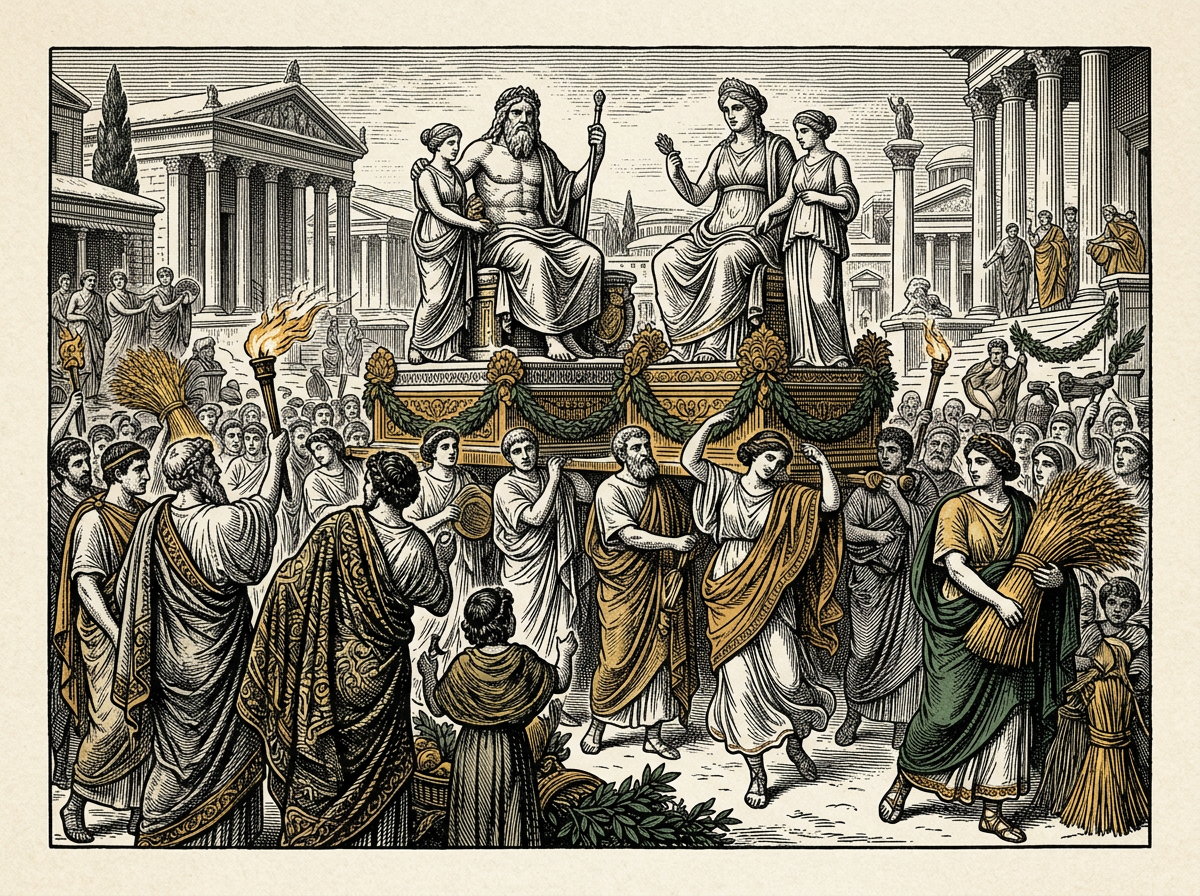
Who Is the Daughter of Saturn in Mythology? Classical Roman Legends Explained
MYTHIC ORDER: SACRED DUTY
How ancient genealogies anchor modern civic duty Rather than viewing classical mythology as mere folklore, reading primary Roman sources reveals how divine genealogies codified foundational virtues like domestic stability and civic continuity. By tracing the domains of Saturn's daughters, modern readers recover a blueprint where private devotion and public duty are inextricably bound.
read dispatch →
Dispatch No. 112 — 06 Sept 2026 share story ↗
What Is the 2007 Horror Sequel? Identifying Notable Scary Movie Follow-Ups
MEDIA LOGIC: PROCEDURAL VIEWING
The unexpected discipline required to appreciate mid-2000s horror sequels While framing routine film viewing as a step-by-step protocol risks over-proceduralizing pop culture, respecting narrative continuity unlocks an era's distinct anxieties about compounding horror. By honoring context over sensory shock, viewers transform formulaic violence into a coherent study of mid-2000s dread.
read dispatch →
Dispatch No. 113 — 06 Sept 2026 share story ↗
What Are Spirit Fingers? The Iconic Cheering Technique Explained
SHARED RITUAL: PERFORMATIVE ENERGY
The serious discipline behind performative enthusiasm Originally developed to solve the practical problem of visual distance in cheer choreography, the gesture of spirit fingers evolved into a cultural shorthand for uninhibited enthusiasm. Strip away the cinematic satire, and the practice reveals how deliberate micro-movements can cultivate genuine collective spirit.
read dispatch →
Dispatch No. 114 — 06 Sept 2026 share story ↗
What Is Hogao? The Traditional Colombian Tomato and Onion Sauce Explained
CRAFT LESSON: PATIENT REDUCTION
Patience transforms simple pantry staples into foundational craft. While modern culinary instruction often sells exotic complexity, the Colombian tradition of hogao demonstrates that extraordinary flavor emerges from simple aromatics given time to sweat and reduce. The crucial discipline lies in meticulous knife work and unhurried heat, transforming basic pantry staples into an indispensable backbone for everyday cooking.
read dispatch →
Dispatch No. 115 — 06 Sept 2026 share story ↗
What Is the Seattle Soccer Team? Discover Seattle's Major League Soccer Franchise
LOCAL DEVOTION: ORGANIZED FANDOM
How structured fandom turns casual spectators into a genuine community While modern sports marketing often reduces civic life to simple entertainment, Seattle Sounders FC demonstrates that long-standing regional roots can transform routine game-going into a vibrant shared ritual. By actively engaging in structured supporter traditions rather than remaining passive consumers, city residents cultivate a durable sense of place and collective identity.
read dispatch →
Dispatch No. 116 — 06 Sept 2026 share story ↗
What is the Meaning of Stoic? Understanding the Philosophy and Attitude
FALSE RESILIENCE: EMOTIONAL SUPPRESSION
Stoicism asks for emotional agency, not unfeeling repression While popular culture often reduces Stoicism to unfeeling endurance, classical philosophy offers a profound framework for reclaiming agency by distinguishing between external events and internal judgments. Provided one does not mistake emotional suppression for wisdom, the habit of the reflective pause remains a vital discipline for modern resilience.
read dispatch →
Dispatch No. 117 — 06 Sept 2026 share story ↗
What is Stoicism? Definition, Core Tenets, and Origins
CHIEF CLAIM: INTERNAL AGENCY
The ancient remedy for modern anxiety requires discipline, not indifference. Stoicism correctly identifies that while external circumstances remain indifferent to our desires, reclaiming authority over our internal response grants profound mental resilience. This ancient discipline succeeds not as a life hack for unfeeling detachment, but as a commitment to anchor daily action in wisdom and public-spirited virtue.
read dispatch →
Dispatch No. 118 — 06 Sept 2026 share story ↗
Who is Ryan Holiday? Modern Author and Stoicism Expert
CORE TRADE: COMMODIFIED STOICISM
Translating imperial Roman wisdom into modern executive mental hygiene By distilling classical Stoicism into actionable frameworks for high-stress professionals, Ryan Holiday successfully rescues ancient ethics from academic obscurity and offers genuine mental discipline for chaotic times. Yet this utility-driven reframing risks flattening profound moral philosophy into a mere performance-enhancing habit, making its value dependent on maintaining systemic pressure rather than questioning it.
read dispatch →
Dispatch No. 119 — 06 Sept 2026 share story ↗
What is the Notable 2007 Horror Sequel? A Guide to Genre Releases
STUDIO FORMULA: GENRE EXPANSION
Finding artistic ambition inside the mid-2000s horror franchise machine While mid-2000s horror sequels are often dismissed as mere cash grabs, they represent a pivotal era where studios tested new visual styles and built expansive cinematic lore within a reliable commercial framework. To truly appreciate these releases, viewers must look past the surface shocks to analyze distinct directorial signatures and the mechanics of franchise construction.
read dispatch →
Dispatch No. 120 — 06 Sept 2026 share story ↗
What is the November Birthstone? Stones, Meanings, and Properties
MATERIAL STEWARDSHIP: SEASONAL SYMBOLISM
Finding warmth and quiet discipline in seasonal stones While modern birthstone guides often border on commercial sentimentality, the tradition of pairing November with topaz and citrine offers a meaningful framework for grounding personal identity in the changing seasons. By understanding the mineral durability of these golden gems and practicing simple, deliberate care, one transforms a minor consumer choice into an exercise in quiet stewardship.
read dispatch →
Dispatch No. 121 — 06 Sept 2026 share story ↗
What are Spirit Fingers? The Origin and Pop Culture Phenomenon
CORE LESSON: EMBODIED ENTHUSIASM
The serious mechanics of campy, high-energy presence While spirit fingers originated as a campy cinematic punchline, their underlying mechanic rests on using exaggerated physical gesture and expression to project genuine vitality. Stripped of ironic detachment, such intentional bodily theatricality serves as a legitimate practice for overcoming social hesitation and commanding collective energy.
read dispatch →
Dispatch No. 122 — 06 Sept 2026 share story ↗
What is Seattle's Professional Soccer Team? History and Overview
PACKAGED PASSION: MANUFACTURED COMMUNITY
How modern fandom turns organic civic pride into transactional self-improvement While the Seattle Sounders represent a genuinely rich tradition of regional sports culture, contemporary guidebooks reduce this organic history into a commodified, step-by-step routine for consumer involvement. True civic identity cannot be fully acquired through a three-step checklist, yet the underlying human longing for shared, collective ritual remains deeply worth preserving.
read dispatch →
Dispatch No. 123 — 06 Sept 2026 share story ↗
What is Hogao? The Essential Colombian Tomato and Onion Sauce
CULINARY CRAFT: PATIENT SIMMER
In praise of simple foundations that demand quiet patience Colombia's foundational sauce demonstrates how humble aromatics and patient simmering create an indispensable flavor anchor for everyday cooking. True depth requires no exotic ingredients, relying instead on the quiet discipline of letting simple elements cook down into harmony.
read dispatch →
Dispatch No. 124 — 06 Sept 2026 share story ↗
Who is the Daughter of Saturn in Roman Mythology?
DIVINE LINEAGE: CIVIC ORDER
How ancient family trees grounded the real calendar of Rome While Roman mythology offers no single daughter of Saturn, examining figures like Juno, Vesta, and Ceres reveals how the ancients mapped agricultural cycles and household order onto divine lineages. By grounding mythological study in primary texts and cultural festivals like Saturnalia, we see how fluid pantheons served to anchor real-world social cohesion.
read dispatch →
Dispatch No. 125 — 06 Sept 2026 share story ↗
What is the Seattle Soccer Team? Your Guide to Seattle's Professional Clubs
SPORTS CULTURE: CIVIC IDENTITY
Building a lasting sports legacy requires deep community roots Seattle Sounders FC stands as a dominant force in American soccer, rooted in a rich historical tradition that dates back to 1974. By combining dedicated supporter groups with a sustained culture of competitive success, the franchise demonstrates how sports teams can serve as vital anchors for local community identity.
read dispatch →
Dispatch No. 126 — 06 Sept 2026 share story ↗
The Bend Index measures how far a piece of advice must be twisted before it becomes true. A score of 0 means the advice survives contact with an ordinary life unmodified. A score of 100 means the advice is only true in a sentence that no longer resembles it.
THE BEND INDEX: 74 / 100
The quantified self, measured against a bent ruler Every habit tracker asks the same silent question: what counts? The metrics are chosen before the person is, and the person then grows to fit them. We score the distortion.
read dispatch →
Dispatch No. 127 — 22 Mar 2026 share story ↗
Every dispatch in this paper follows one procedure, and it is worth stating plainly so readers can check our work.
METHOD: HOW WE WINNOW
A note on the threshing floor Our method is simple and deliberately slow. Take the quote as its best advocate would state it, find the conditions under which it is true, then report how far those conditions are from an ordinary life.
read dispatch →
Dispatch No. 128 — 11 Jan 2026 share story ↗