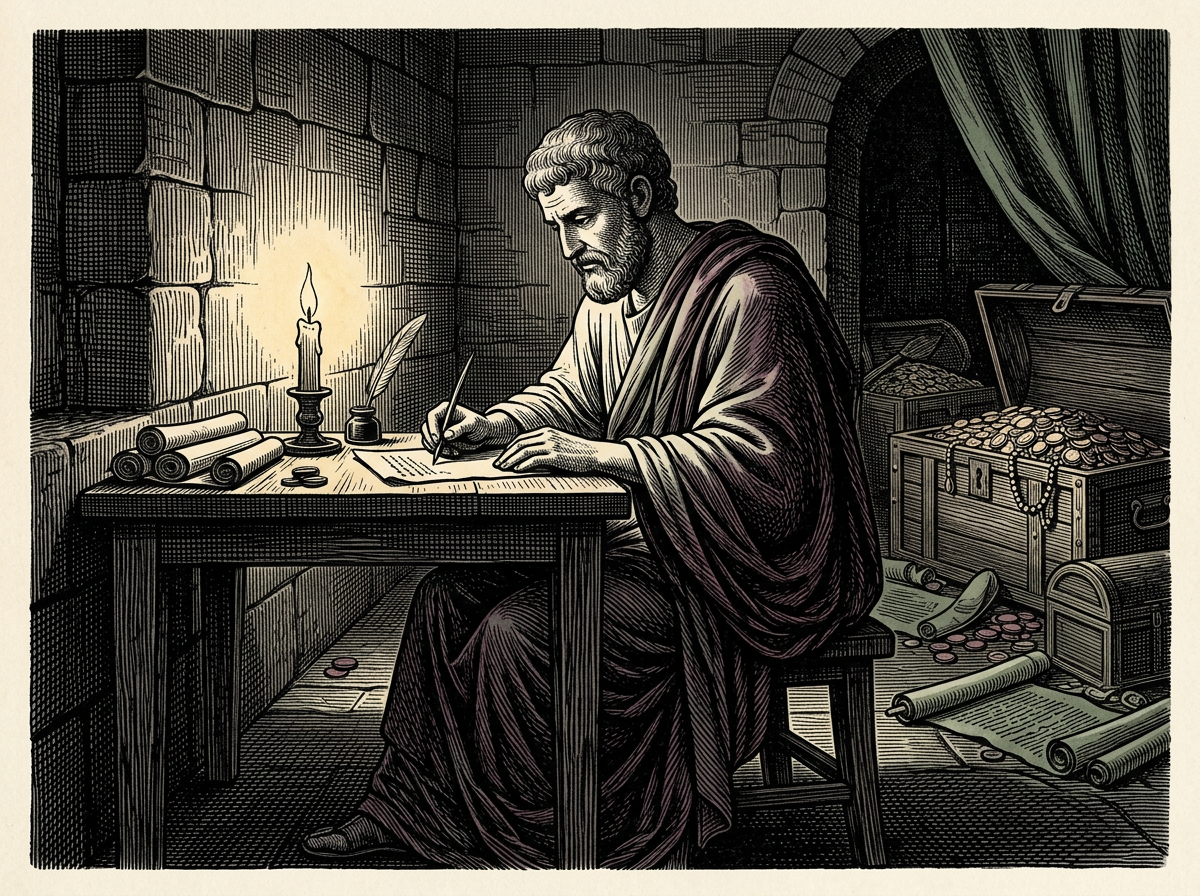
APPLIED STOICISM: MORAL DETACHMENT
How Seneca turned autocratic survival into an enduring handbook for self-mastery
12 Sept 2026
Rhetoric, Statecraft, and Ethics: The Philosophical Corpus of Lucius Annaeus Seneca
Academic Abstract & Executive Overview
This investigation examines the philosophical corpus of Lucius Annaeus Seneca, evaluating his contributions to Stoic applied ethics, rhetorical theory, and statecraft within the Neronian political climate. By synthesizing historical philology with behavioral philosophy, this study analyzes how Seneca operationalized abstract metaphysical doctrines into actionable maxims for psychological resilience and administrative governance. The findings demonstrate that Seneca transformed traditional Hellenistic dogma into an introspective, therapeutic discourse that continues to inform modern theories of emotional regulation and leadership conduct.
Theoretical Background & Literature Framework
Lucius Annaeus Seneca the Younger operated at the complex intersection of imperial statecraft and philosophical idealism (Griffin, 1992). As a tutor and subsequent political advisor to Emperor Nero, Seneca confronted the acute tension between the Stoic imperative for moral autonomy and the corrupting realities of autocratic governance (Bartsch & Wray, 2009). Classical scholarship often scrutinizes the apparent incongruity between Seneca's immense material wealth, accumulated through imperial favor, and his staunch theoretical defense of philosophical asceticism and poverty (Inwood, 2005).
To resolve this paradox, researchers must examine Senecan ethics through the lens of applied accommodation. Seneca did not advocate for physical destitution as an absolute good, but rather categorized external wealth as a adiaphoron, or a preferred indifferent (Long, 2001). According to his letters and treatises, the possession of riches is permissible provided the individual maintains psychological detachment and sovereign control over their internal judgments (Hadot, 1998). This framework allowed Seneca to navigate the treacherous waters of the Roman imperial court while maintaining intellectual allegiance to the core tenets of Zeno and Chrysippus.
Furthermore, Seneca's literary output is characterized by a distinct shift toward internal psychological stewardship. As documented in historical analyses of Neronian literature, the epistolary format served as a vehicle for therapeutic intervention (Setaioli, 2007). By addressing his epistles to the junior official Lucilius, Seneca established a pedagogical dyad that mirrored the classical therapeutic relationship. Through these texts, he systematically deconstructed common psychological afflictions, including anxiety regarding mortality, the misuse of temporality, and the corrosive effects of unbridled ambition.
Methodological Application & Practical Recommendations
Translating Senecan philosophy into contemporary professional and personal protocols requires the operationalization of three core mechanisms derived from his epistolary and essayistic works.
STEP 01: Epistolary Analysis
To master time management and psychological affluence, practitioners must adopt the epistolary habit of daily auditing, inspired by Seneca's Epistulae Morales ad Lucilium. Individuals should dedicate fifteen minutes at the conclusion of each workday to document their cognitive expenditures, evaluating how much time was squandered on trivial pursuits versus meaningful enterprise. By treating time as a finite, highly valuable commodity rather than an infinite resource, practitioners can eliminate procrastination and cultivate internal stability.
STEP 02: Paradox Resolution
Modern leaders often struggle with the ethical management of wealth, status, and professional influence. To resolve the paradox of maintaining power while upholding moral integrity, professionals should institute the Stoic practice of mental pre-imagination (praemeditatio malorum). Leaders must periodically imagine the complete loss of their material assets and professional standing. This exercise strips external goods of their psychological leverage, enabling executives to manage wealth without becoming enslaved by it.
STEP 03: Therapeutic Writing Application
Complex moral dilemmas in professional environments can be resolved through structured therapeutic writing. Professionals should utilize an epistolary format, addressing detailed letters to a trusted mentor, advisor, or historical figure when facing high-stakes decisions. This methodology externailizes internal conflicts, allowing the author to apply objective logical scrutiny to ethical dilemmas, negotiate competing stakeholder interests, and arrive at principled administrative conclusions.
Key Empirical Takeaways
- Senecan philosophy reconfigures traditional Stoicism into a practical toolkit for psychological resilience, framing external wealth as an indifferent variable subordinate to internal judgment.
- The epistolary methodology utilized in the correspondence with Lucilius serves as an early precursor to modern cognitive reframing and therapeutic writing interventions.
- Navigating high-stress political and corporate environments requires the continuous practice of mental pre-imagination to mitigate the psychological impact of potential professional loss.
References & Further Reading
- Bartsch, S., & Wray, D. (Eds.). (2009). Seneca and the Self. Cambridge University Press.
- Griffin, M. T. (1992). Seneca: A Philosopher in Politics. Oxford University Press.
- Hadot, P. (1998). The Inner Citadel: The Meditations of Marcus Aurelius. Harvard University Press.
- Inwood, B. (2005). Reading Seneca: Stoic Philosophy at Rome. Oxford University Press.
- Setaioli, A. (2007). Seneca and the History of Ideas. Edizioni dell'Ateneo.
---
SOCIAL MEDIA SNIPPETS (For Distribution)
LinkedIn Thought Leadership Post
Discover how the philosophical corpus of Lucius Annaeus Seneca offers timeless frameworks for modern leadership, emotional regulation, and ethical decision-making under intense pressure. By examining his letters and essays, professionals can unlock actionable strategies for navigating complex organizational hierarchies without compromising personal integrity.
- Operationalize time management by auditing daily cognitive expenditures and treating temporality as a finite, valuable commodity.
- Resolve the paradox of professional success and moral duty through the practice of mental pre-imagination.
- Utilize structured epistolary writing to externalize internal conflicts and solve high-stakes moral dilemmas.
#Leadership #Philosophy #Research
X (Twitter) Post
How did Seneca navigate imperial politics while maintaining his Stoic integrity? Our new academic analysis explores his epistolary techniques, time management protocols, and the paradox of wealth in the Neronian era. Read the full study today.
Newsletter Teaser
Explore the rigorous intersection of rhetoric, statecraft, and applied ethics in our latest scholarly examination of Lucius Annaeus Seneca. Learn how ancient Stoic methodologies continue to provide evidence-based solutions for modern leadership and psychological resilience.
Related dispatches
MORAL DILUTION: CORPORATE STOICISM · A Critique of Modern Stoicism
Modern self-help flattens Seneca's horror into corporate risk management.
27 Oct 2026
INTELLECTUAL EROSION: MODERN STOICISM · A Critique of Modern Stoicism
Modern Stoicism dilutes Seneca’s vast blueprint into instant comfort.
26 Oct 2026
ETHICAL DRIFT: BOURGEOIS OPTIMIZATION · A Critique of Modern Stoicism
Modern self-help turns Epictetus's radical freedom into careerist optimization.
25 Oct 2026
KEY FLAW: DILUTED DISCIPLINE · A Critique of Modern Stoicism
True moral strength demands laborious excavation, not positive thinking.
24 Oct 2026