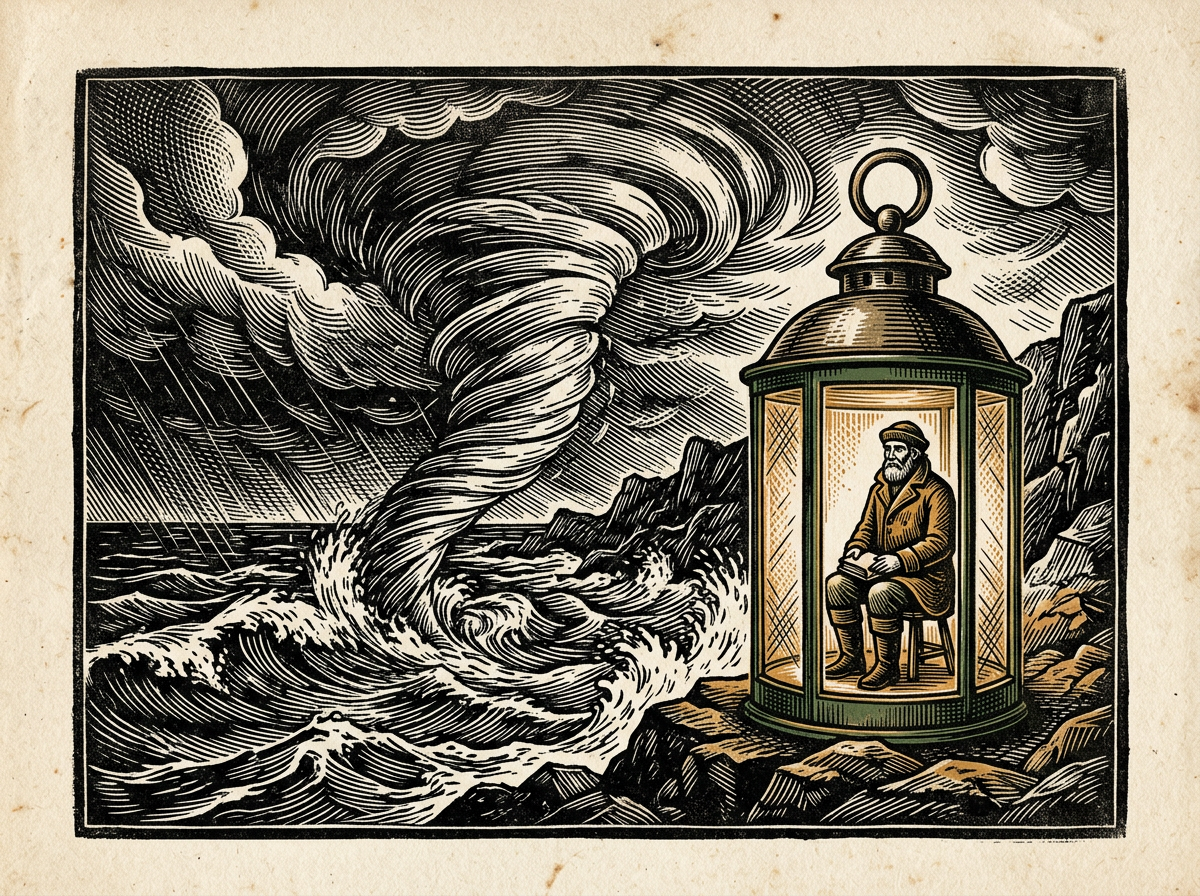
SOMATIC TOOL: NERVOUS RESET
The body holds the brake when the mind begins racing
07 Sept 2026
How to Practice Meditation Techniques for Anxiety Relief
Quick Summary: What You Need to Know
Meditation techniques for anxiety are structured mindfulness practices designed to calm the nervous system, quiet racing thoughts, and reduce physiological stress responses. By focusing the mind on the present moment through intentional breathing or body scans, these evidence-based methods help over 40 million American adults manage acute anxiety symptoms effectively in as little as 5 to 10 minutes a day.
---
Background & Essential Facts
Anxiety is more than just a passing feeling of worry—it is a full-body experience. When your brain perceives a threat (whether it’s an upcoming work deadline, a crowded room, or a general sense of impending doom), it triggers the sympathetic nervous system. This evolutionary "fight-or-flight" response floods your body with stress hormones like cortisol and adrenaline, accelerating your heart rate, shallowing your breath, and sending your mind into an endless loop of racing thoughts.
For decades, modern medicine treated these physiological symptoms primarily with pharmaceuticals. However, clinical psychology guidelines and cognitive behavioral therapy (CBT) stress-reduction protocols have increasingly emphasized the power of neuroplasticity—the brain's ability to rewire itself through consistent practice.
Grounded in centuries-old mindfulness traditions and validated by contemporary neuroscience, meditation acts as a hard reset for an overactive nervous system. Clinical studies show that regular mindfulness practice physically shrinks the amygdala—the brain’s fear center—while strengthening the prefrontal cortex, which governs executive function, emotional regulation, and rational decision-making.
You do not need to sit on a mountain in total silence for hours to reap these benefits. Modern, evidence-based meditation techniques are practical tools designed to intercept anxiety in real-time, pulling you out of catastrophic "what-if" scenarios and anchoring you firmly in the safety of the present.
---
How To Take Action / What To Do
If you are ready to break the cycle of anxiety, you don't need expensive equipment or specialized training. Follow these three actionable steps to start experiencing relief today.
STEP 01: Establish a Quiet Space
Before you can quiet your mind, you need to help your external environment cooperate. Find a comfortable, distraction-free environment where you can sit or lie down undisturbed for just 5 to 10 minutes.
Sit in a chair with your feet flat on the floor, or cross-legged on a cushion if that feels more natural. Keep your spine straight but not rigid—imagine a gentle string pulling the crown of your head toward the ceiling. Rest your hands softly on your lap or knees.
The goal here isn't to achieve absolute silence; it's to minimize sensory overload so your brain realizes it is safe to let its guard down. Set a gentle timer on your phone so you don't have to spend any mental energy tracking the clock.
STEP 02: Practice Box Breathing
When anxiety strikes, your breathing naturally becomes rapid and shallow, which tricks your brain into thinking you are in physical danger. Box breathing—a technique widely used by Navy SEALs, first responders, and clinical therapists—reverses this loop instantly by regulating your heart rate and signaling biological safety to your brain.
Close your eyes and follow this four-part rhythm:
- Inhale — slowly through your nose for a count of 4 seconds, filling your lungs completely.
- Hold — that breath at the top for a count of 4 seconds.
- Exhale — smoothly and completely through your mouth for a count of 4 seconds.
- Hold — at the bottom (lungs empty) for a count of 4 seconds.
Repeat this "box" cycle for 3 to 5 minutes. As you count, focus entirely on the numbers and the physical movement of the air. This forces your active, anxious mind to concentrate on a simple, neutral task.
STEP 03: Anchor Your Focus
Once your breathing is regulated, transition into open, anchored awareness. Direct your attention entirely to the physical sensation of your breath.
Notice the cool air entering your nostrils, the slight expansion of your chest, and the warm air leaving your body on the exhale. This breath is your anchor.
Inevitably, your mind will wander. Within seconds, you might find yourself thinking about an email you forgot to send, a past awkward conversation, or a future fear. This is not a failure; it is simply part of the practice.
When you notice your mind has drifted, gently acknowledge the thought without judgment—like watching a cloud pass across the sky—and guide your focus right back to the physical sensation of breathing. Each time you gently return your wandering mind to your anchor, you are building your mental muscle for stress resilience.
---
Key Takeaways
- Physiological Reset: — Meditation techniques actively lower cortisol and signal safety to the nervous system, shifting your body out of the "fight-or-flight" response.
- Low Time Commitment: — You don't need hours of practice; dedicating just 5 to 10 minutes a day in a quiet space is enough to start rewiring your brain for calm.
- The Power of Anchoring: — Using tactical breathwork (like box breathing) and continuously returning a wandering mind to your physical breath helps break the loop of acute anxiety in real-time.
Related dispatches
MORAL DILUTION: CORPORATE STOICISM · A Critique of Modern Stoicism
Modern self-help flattens Seneca's horror into corporate risk management.
27 Oct 2026
INTELLECTUAL EROSION: MODERN STOICISM · A Critique of Modern Stoicism
Modern Stoicism dilutes Seneca’s vast blueprint into instant comfort.
26 Oct 2026
ETHICAL DRIFT: BOURGEOIS OPTIMIZATION · A Critique of Modern Stoicism
Modern self-help turns Epictetus's radical freedom into careerist optimization.
25 Oct 2026
KEY FLAW: DILUTED DISCIPLINE · A Critique of Modern Stoicism
True moral strength demands laborious excavation, not positive thinking.
24 Oct 2026