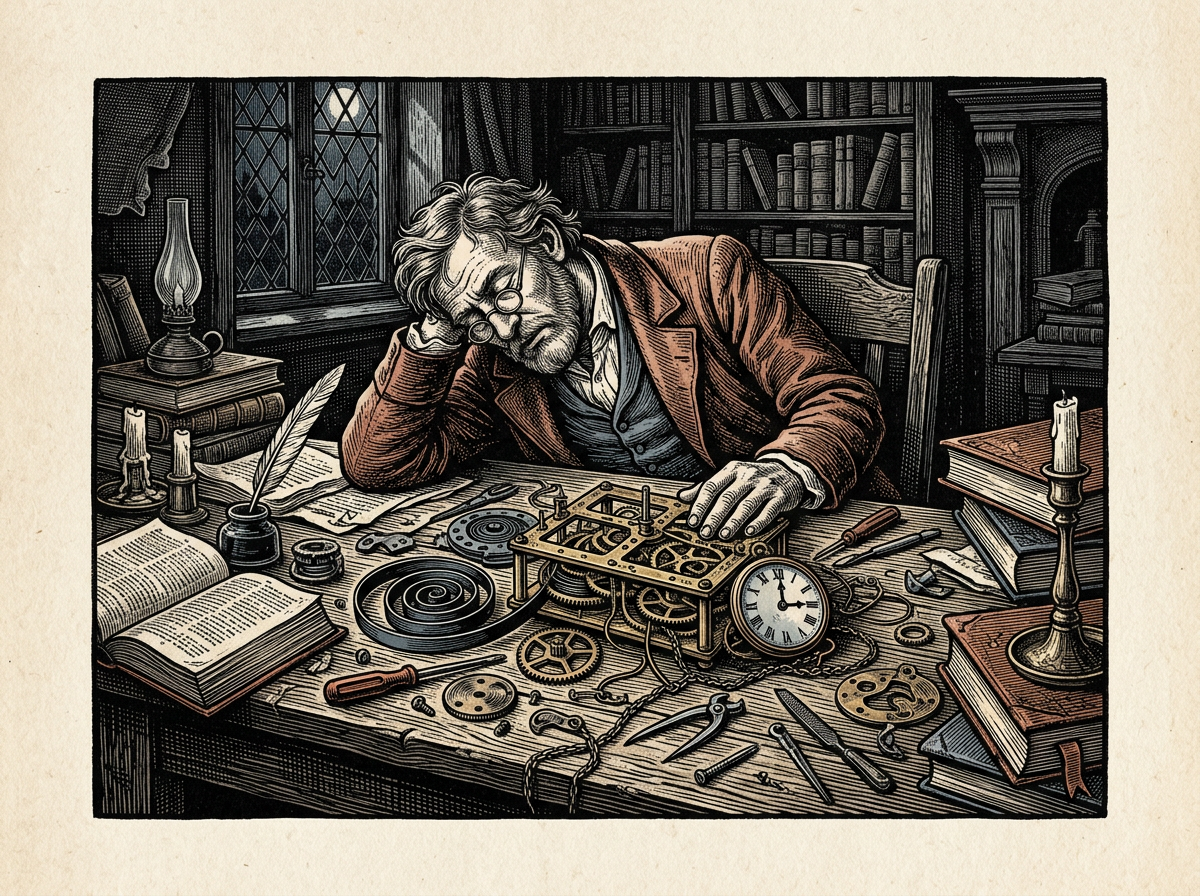
ROOT CAUSE: SYSTEMIC DEPLETION
When weekend rest no longer cures Monday dread
09 Sept 2026
What Are the Signs of Burnout and How to Recognize Them Early?
Quick Summary: What You Need to Know
Burnout is more than a simple case of feeling tired after a long week; it is a state of chronic physical and emotional depletion that stems from prolonged, unmanaged stress. Officially recognized by the World Health Organization (WHO), burnout encompasses profound exhaustion, an increasing mental distance or cynicism toward one's responsibilities, and a noticeable drop in professional efficacy. Recognizing these red flags early is crucial to preventing long-term mental health decline, severe chronic fatigue, and a total loss of drive.
Background & Essential Facts
We live in a culture that glorifies the hustle. From the moment we wake up to the glowing screens we check right before bed, we are constantly plugged in, producing, and striving. For a long time, stress was viewed merely as the price of admission for success. But modern psychology and medicine have drawn a sharp line between everyday stress and true burnout.
Stress is usually about too much—too many pressures, too much urgency, and too much to do. However, you can usually still imagine that if you can just get everything under control, you’ll feel better. Burnout, on the other hand, is about not enough. It is characterized by emptiness, apathy, and a profound sense of depletion. You don't just feel like you have too much on your plate; you feel like you no longer have the appetite to eat.
According to the World Health Organization’s International Classification of Diseases (ICD-11), burnout is an occupational phenomenon specifically tied to the workplace, though its symptoms frequently bleed into every other corner of a person's life. The WHO outlines three core dimensions of burnout:
- Exhaustion: — Feelings of energy depletion or physical and emotional exhaustion.
- Cynicism: — Increased mental distance from one's job, or feelings of negativism and cynicism related to one's responsibilities.
- Inefficacy: — A sense of ineffectiveness and a lack of accomplishment.
Why does this happen? Burnout rarely happens overnight. It creeps up in slow-motion, fueled by a mismatch between what we give to our work, relationships, or daily obligations and what we receive in return—whether that return is appreciation, compensation, autonomy, or a sense of purpose. When the output perpetually outweighs the input, our internal reserves eventually hit rock bottom.
The danger lies in our tendency to normalize it. We drink another cup of coffee, push through the brain fog, and tell ourselves we just need to survive until Friday. But when Friday rest no longer cures Monday dread, the system is flashing red. Understanding the signs of burnout is the first step toward reclaiming your well-being before your mind and body make the decision for you.
How To Take Action / What To Do
If you suspect you are sliding down the slippery slope of burnout, waiting for it to magically resolve on its own is a losing game. You need a deliberate, tactical intervention. Here is how to diagnose your current state and pull the emergency brake before the damage deepens.
STEP 01: Assess Energy Levels
Start by evaluating the quality of your recovery. Check if your weekend rest is no longer enough to recover from your weekday workload.
For most healthy individuals, a weekend of downtime, good sleep, and personal time is enough to reset the battery. You might still prefer a slower Monday morning, but by midday, you are functional and engaged. Burnout breaks this recovery loop. If you spend your entire Saturday and Sunday recovering—sleeping excessively, feeling a heavy sense of dread about the upcoming week, or experiencing physical aches—and wake up on Monday morning feeling just as depleted as you did on Friday evening, your baseline energy is compromised.
Ask yourself honestly: Is my time off actually restoring me, or is it merely serving as a temporary pause button on a machine that is constantly overheating? If weekends feel entirely transactional—spent solely recovering enough energy just to survive the next five days—you are operating in a deficit. Acknowledge this deficit without judgment. It is simply data telling you that your current pace is unsustainable.
STEP 02: Monitor Cynicism
Next, look inward at your emotional disposition. Evaluate whether you feel unusually detached, resentful, or apathetic toward tasks you used to care about.
Burnout acts as an emotional anesthetic. Things that used to bring you a sense of pride, creativity, or fulfillment suddenly feel flat, irritating, or entirely pointless. You might find yourself rolling your eyes at team meetings, feeling a spike of resentment when someone asks for your help, or developing a detached, cold attitude toward projects you once championed. This cynicism isn't a character flaw; it is a psychological defense mechanism. Your brain is trying to protect you from further emotional investment by numbing you to the demands of your environment.
Take a moment to audit your recent reactions. Are you snapping at colleagues or loved ones over minor inconveniences? Do you find yourself adopting a "why bother?" attitude toward goals that used to matter to you? Recognizing this shift from engagement to apathy is vital because it separates standard physical tiredness from true burnout, which attacks your motivation and empathy at their core.
STEP 03: Set Hard Boundaries
Once you have identified the exhaustion and cynicism, you must immediately intervene. Immediately audit your schedule, cut non-essential commitments, and enforce strict offline hours to protect your remaining energy.
Boundary setting is where healing begins, but it requires radical honesty. Pull out your calendar for the next two weeks and look at every single obligation. Ask yourself: If I do not do this, what is the actual consequence? If the answer is minor, eliminate it, delegate it, or postpone it indefinitely. Clear out the clutter of "yeses" that you offered out of obligation or guilt.
Equally important is building a fortress around your personal time. Establish a hard stop to your workday. When your designated offline hour arrives, close the laptop, silence work notifications on your phone, and step away. Do not negotiate with yourself about "just checking one last email." This is not about being lazy; it is about triage. When you are bleeding energy, you stop the hemorrhage first before you try to run a marathon. Enforcing strict boundaries signals to your nervous system that you are safe, giving it the permission it desperately needs to begin the repair process.
Key Takeaways
- Burnout is Multi-Dimensional: — Formally defined by the WHO, true burnout is a combination of chronic exhaustion, growing cynicism toward your duties, and a sharp decline in your sense of effectiveness.
- The Weekend Test is Real: — If your standard weekend rest is no longer enough to help you recover from your weekday workload, your baseline energy is severely depleted and intervention is required.
- Boundaries are Medicine: — You cannot out-rest a bad environment; protecting your remaining energy requires a ruthless audit of your schedule and the immediate enforcement of strict offline hours.
Related dispatches
MORAL DILUTION: CORPORATE STOICISM · A Critique of Modern Stoicism
Modern self-help flattens Seneca's horror into corporate risk management.
27 Oct 2026
INTELLECTUAL EROSION: MODERN STOICISM · A Critique of Modern Stoicism
Modern Stoicism dilutes Seneca’s vast blueprint into instant comfort.
26 Oct 2026
ETHICAL DRIFT: BOURGEOIS OPTIMIZATION · A Critique of Modern Stoicism
Modern self-help turns Epictetus's radical freedom into careerist optimization.
25 Oct 2026
KEY FLAW: DILUTED DISCIPLINE · A Critique of Modern Stoicism
True moral strength demands laborious excavation, not positive thinking.
24 Oct 2026