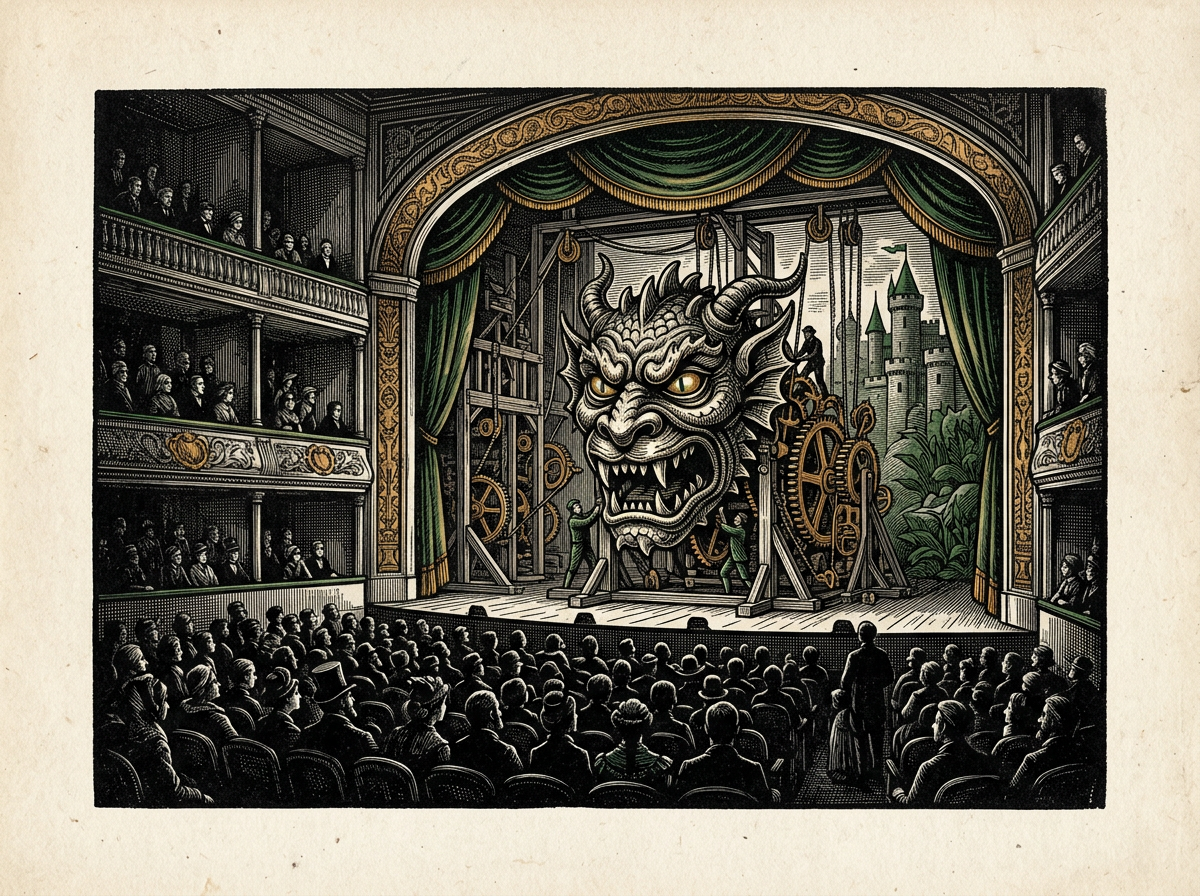
STUDIO FORMULA: GENRE EXPANSION
Finding artistic ambition inside the mid-2000s horror franchise machine
06 Sept 2026
What is the Notable 2007 Horror Sequel? A Guide to Genre Releases
Quick Summary: What You Need to Know
A "2007 horror sequel" typically refers to one of several prominent, high-grossing cinematic follow-ups released that year, including Saw IV, Hostel: Part II, or 28 Weeks Later. These films capitalized on the massive success of their original precursors by expanding established lore, elevating the suspense, and pushing the boundaries of mainstream cinematic gore. Released during a golden era for modern horror franchises, these 2007 sequels collectively pulled in hundreds of millions of dollars at the global box office, proving that audiences couldn't get enough of high-concept terror.
---
Background & Essential Facts
To truly understand the landscape of the 2007 horror sequel, we have to look back at the mid-2000s cinematic ecosystem. Horror was undergoing a massive paradigm shift. The early part of the decade had popularized relentless, visceral storytelling—often retroactively dubbed "torture porn" by critics—alongside slick, high-speed zombie reinventions.
By 2007, studios realized that successful standalone horror hits were actually sustainable intellectual properties. Instead of throwing random scripts at the wall, production companies actively cultivated cinematic universes and annual release schedules.
The year 2007 stands out as a particularly massive calendar year for genre fans:
- _28 Weeks Later_ — (released May 2007) took the frantic, rage-infected zombie subgenre established by Danny Boyle’s 2002 original and handed the megaphone to Spanish director Juan Carlos Fresnadillo, creating a visually stunning, heart-pounding London-based nightmare.
- _Hostel: Part II_ — (released June 2007) doubled down on the grim, atmospheric terror of Eli Roth’s original shocker, expanding the secretive global assassination club known as the Elite Hunting Club.
- _Saw IV_ — (released October 2007) cemented Lionsgate's horror franchise as an unstoppable annual Halloween tradition, keeping the intricate Jigsaw Killer mythology alive and twisting even after the death of the primary antagonist.
Beyond box office receipts, these films shaped pop culture conversations, pushed practical special effects teams to their creative limits, and launched the careers of emerging international filmmakers. Examining a 2007 horror sequel isn't just about watching a scary movie; it’s about analyzing how Hollywood capitalized on fan loyalty and redefined the modern horror business model.
---
How To Take Action / What To Do
If you are looking to dive deep into the world of 2007 horror sequels—whether for a nostalgic movie marathon, a film studies project, or just a fun Friday night scare—follow these three practical steps to curate your cinematic experience.
STEP 01: Identify the Franchise
Before pressing play, match your chosen 2007 release directly to its original precursor film. Understanding a sequel in isolation can leave you lost, especially in lore-heavy franchises like Saw.
- The Action Plan: — Write down the release timeline. For instance, if you are watching Saw IV, make sure you have at least familiarized yourself with Saw III (if not the entire original trilogy) to understand the overlapping timelines and character motivations. If you are diving into 28 Weeks Later, quickly revisit the rules of the rage virus established in 28 Days Later. Knowing the baseline helps you appreciate how the 2007 sequel chose to evolve—or subvert—the original formula.
STEP 02: Research the Director and Cast
A sequel often succeeds or fails based on who is holding the camera. When studios handed over the keys to 2007 horror sequels, they frequently hired bold, up-and-coming international auteurs or trusted franchise veterans.
- The Action Plan: — Look into the creative team behind the production and their visual style. For example, compare Danny Boyle’s gritty, documentary-style direction in the original 28 Days Later with Juan Carlos Fresnadillo's hyper-stylized, sweeping aerial shots and claustrophobic interior framing in 28 Weeks Later. Similarly, note how directors like Darren Lynn Bousman (Saw IV) brought a distinct music-video-inspired, hyper-kinetic editing style to their films. Recognizing these artistic signatures will give you a much deeper appreciation for the movie beyond the jump scares.
STEP 03: Check Viewer Ratings
Horror is famously subjective, and sequels are notoriously divisive. What one fan considers an ingenious expansion of lore, another might dismiss as a cash-grab.
- The Action Plan: — Consult movie databases like IMDb, Letterboxd, or Rotten Tomatoes to explore critical reception and fan consensus before or after your viewing. Pay attention to why audiences loved or hated a particular 2007 release. Did critics complain about repetitive gore? Did fans praise a specific plot twist? Reading up on the reception helps contextualize the film's cultural footprint and adds an extra layer of engagement when you analyze how the movie was received in the grand scheme of horror history.
---
Key Takeaways
- The Power of 2007: — The year 2007 was a banner period for horror sequels, highlighted by major releases like Saw IV, Hostel: Part II, and 28 Weeks Later.
- Lore and Scale: — These films proved that successful horror properties could expand their mythology, increase their budgets, and draw massive global box office returns.
- A Strategic Approach: — To fully appreciate a 2007 horror sequel, always review its precursor, study the director's unique visual style, and check viewer reception to understand its cultural impact.
Related dispatches
MORAL DILUTION: CORPORATE STOICISM · A Critique of Modern Stoicism
Modern self-help flattens Seneca's horror into corporate risk management.
27 Oct 2026
INTELLECTUAL EROSION: MODERN STOICISM · A Critique of Modern Stoicism
Modern Stoicism dilutes Seneca’s vast blueprint into instant comfort.
26 Oct 2026
ETHICAL DRIFT: BOURGEOIS OPTIMIZATION · A Critique of Modern Stoicism
Modern self-help turns Epictetus's radical freedom into careerist optimization.
25 Oct 2026
KEY FLAW: DILUTED DISCIPLINE · A Critique of Modern Stoicism
True moral strength demands laborious excavation, not positive thinking.
24 Oct 2026