MODERN TRAP: COMMODIFIED VIRTUE
How modern self-help domesticates Seneca into comfortable conformity.
20 Aug 2026
20th August - Where It Counts
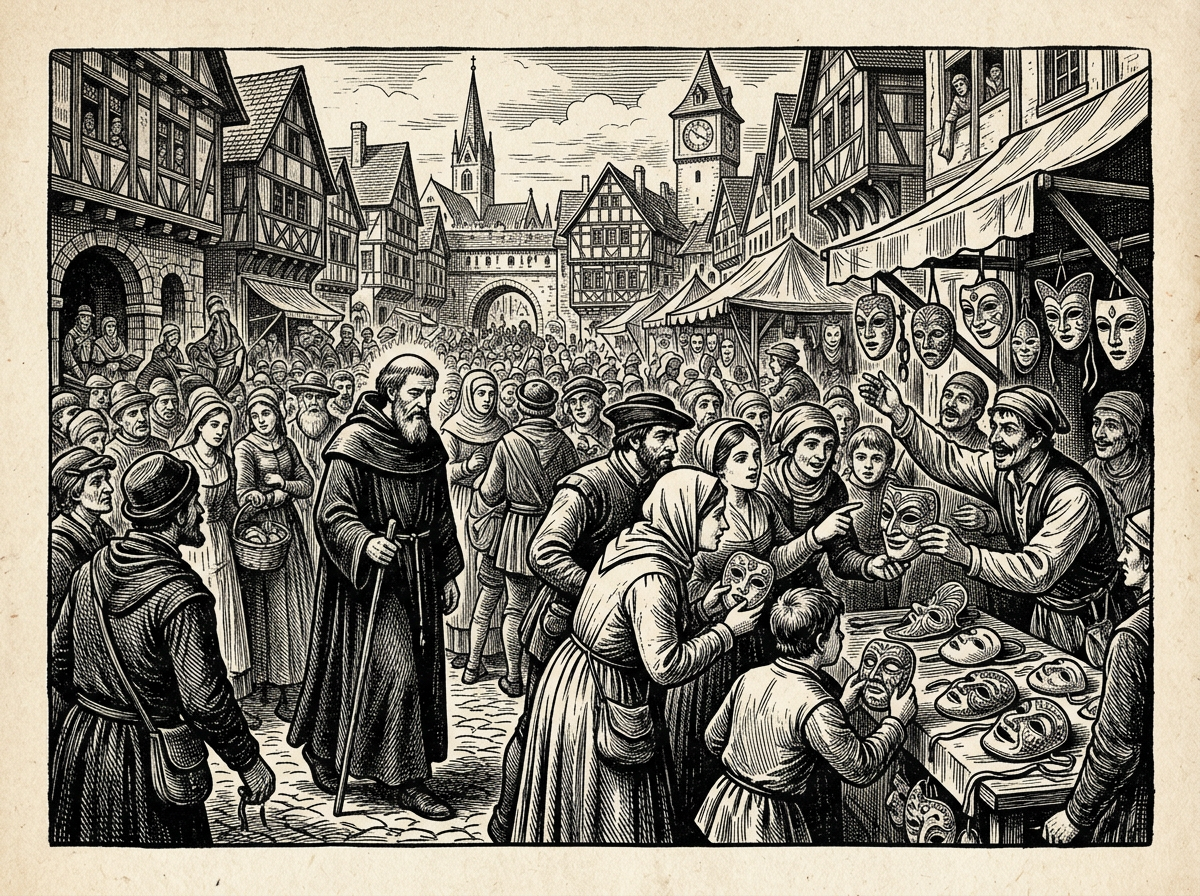
“Inwardly, we ought to be different in every respect, but our outward dress should blend in with the crowd.”
SENECA, MORAL LETTERS, 5.2
The commentary:
Diogenes the
Cynic was a controversial philosopher who wandered the streets like a homeless person. A few thousand years later, his utterances still make us think. But if most of us had seen him at the time, we’d have thought: Who is that crazy guy? It’s tempting to take philosophy to extremes, but who does that serve? In fact, rejection of the basics of society alienates other people, even threatens them. More important, outward transformation in our clothes, in our cars, in our grooming might feel important but is superficial compared with the inward change. That’s the change that only we know about.
Chaff & Wheat Analyse:
takes Seneca’s radical call for hidden, uncompromised virtue and neuters it into a comfortable, self-serving excuse to fit in.
The Distortion of Truth
- The Trap — Seneca demanded total internal transformation a radical break from the mob’s corrupt motives while maintaining outward modesty so as not to invite useless hostility. The commentator twists this into fear of "alienating" others.
- The Coward’s Shift — Seneca warns against vanity; the commentator warns against making other people uncomfortable. He replaces radical self-discipline with passive conformity.
- The Lie — He reframes Diogenes’s relentless commitment to truth as a foolish, "crazy" nuisance. By doing so, he reassures the reader that sitting comfortably in modern luxury while claiming to be "inwardly changed" is noble. It is safe, lazy, and fake.
Ego Over Truth: Why the Commentator Distorts
This isn't a lack of philosophy; it is pure commercial strategy. Deep philosophy demands friction, sacrifice, and pain. But real philosophy doesn't sell subscriptions or modern self-help books comfort does.
The commentator guts Seneca's bite to sell a feel good illusion: You don't need to sacrifice your social standing, your luxury, or your quiet conformity. Just think nice thoughts in secret. He commodifies virtue, domesticates Stoicism, and strokes the reader's vanity to build his own popularity.
How Marcus Aurelius Would Respond
Marcus Aurelius would dismiss the commentary as pathetic noise and self-congratulatory posturing.
“Stop arguing about what a good man should be. Be one.”
- Meditations, 10.16
To Marcus, the commentator’s concern over whether others feel "threatened" by true virtue is a distraction of the ego. He would ruthlessly point out that worrying about crowd approval, or writing hollow fluff to make the crowd love you, is the ultimate slavery. You do not dress to blend in out of fear; you do your duty to the human hive without asking for applause or permission.
Related dispatches
MORAL DILUTION: CORPORATE STOICISM · A Critique of Modern Stoicism
Modern self-help flattens Seneca's horror into corporate risk management.
27 Oct 2026
INTELLECTUAL EROSION: MODERN STOICISM · A Critique of Modern Stoicism
Modern Stoicism dilutes Seneca’s vast blueprint into instant comfort.
26 Oct 2026
ETHICAL DRIFT: BOURGEOIS OPTIMIZATION · A Critique of Modern Stoicism
Modern self-help turns Epictetus's radical freedom into careerist optimization.
25 Oct 2026
KEY FLAW: DILUTED DISCIPLINE · A Critique of Modern Stoicism
True moral strength demands laborious excavation, not positive thinking.
24 Oct 2026