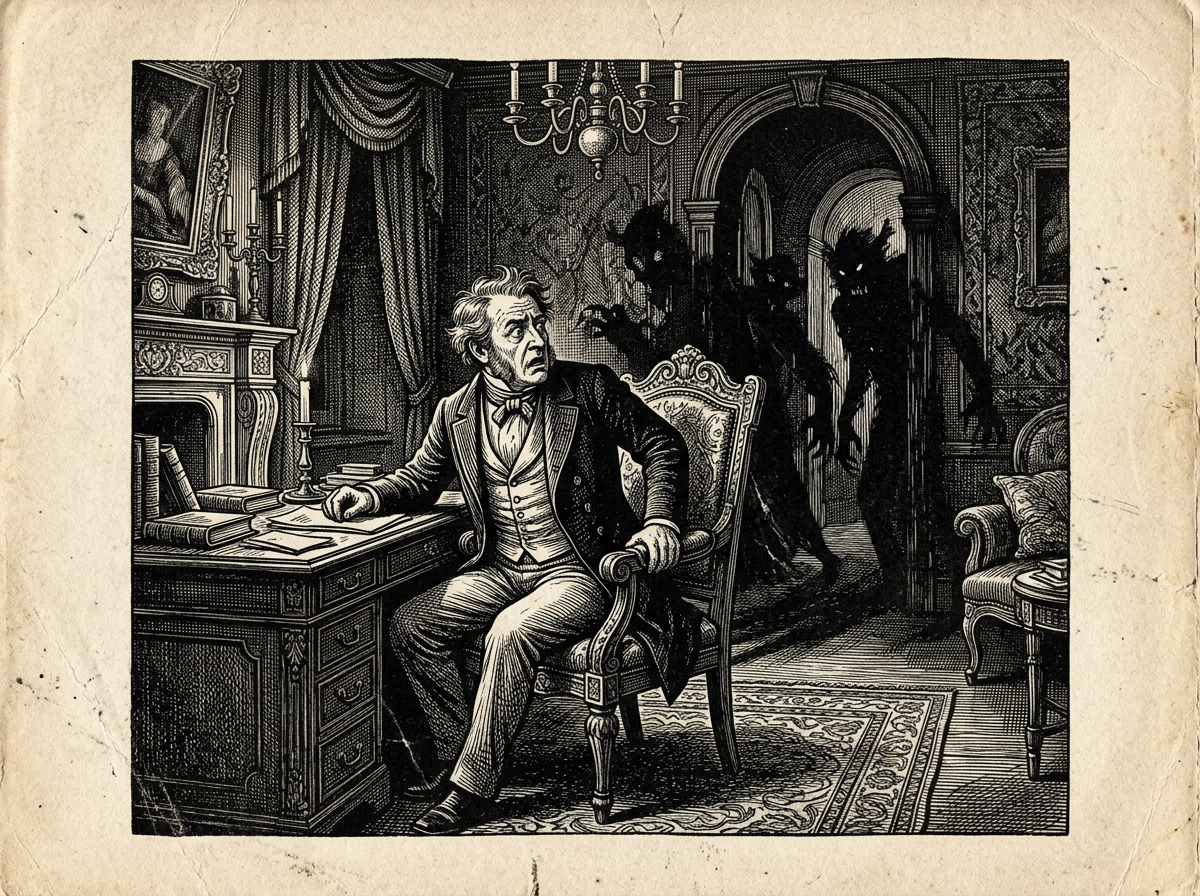
CRITICAL FLAW: TRIVIALIZED TRAUMA
Modern Stoicism turns existential trauma into wealth management anxiety.
28 Sept 2026
27th September: What Will Prosperity Reveal? | The Domesticated Transformation of Existential Panic into Wealth Management Anxiety
The Text in Question
The Daily Stoic Rendering:
“For even peace itself will supply more reason for worry. Not even safe circumstances will bring you confidence once your mind has been shocked once it gets in the habit of blind panic, it can’t provide for its own safety. For it doesn’t really avoid danger, it just runs away. Yet we are exposed to greater danger with our backs turned.” - Seneca, Moral Letters, 104.10b
Standard Academic Translation:
"For even peace will afford more grounds for dread. Not even safe surroundings will bring confidence when once the mind has been shocked; when it has acquired the habit of unreasoning terror, it is unable even to provide for its own safety. For it does not avoid dangers, but flees from them; yet we are exposed to greater danger with our backs turned." - Seneca, Moral Letters, 104.10b (trans. Richard M. Gummere)
Academic Context & Breakdown
Seneca composed Letter 104 late in life while suffering from severe, chronic respiratory disease and living in constant shadow under the increasingly murderous Nero. He had recently fled the humid air of Rome to his estate in Nomentum, seeking physical relief while watching his political allies disappear into exile and execution. He was not writing a financial wellness newsletter or offering tips on how to handle a growing investment portfolio. He was performing psychological trauma analysis on a soul haunted by tyranny.
In Gummere's translation, Seneca dissects the neurobiology of "unreasoning terror" (pavor). When a mind has been repeatedly traumatized by existential threats, external safety (pax) offers no cure; the damaged mind projects catastrophic dread onto peaceful surroundings. Seneca warns that running away from fear without healing the internal judgment merely exposes your exposed back to greater moral and mental destruction.
The commentary guts Seneca's raw examination of psychological trauma and rewires it into a suburban worry over sudden wealth. It transforms a terrifying warning about broken rational faculties into a cozy self-help pitch about building personal resilience. By replacing existential horror with affluent lifestyle paranoia, the commentary turns Stoic trauma analysis into a brand-building exercise.
The Opening Counter-Punch
The commentary guts Seneca’s visceral diagnosis of unreasoning terror and degrades it into a middle-class discussion about money. It takes a severe warning about psychological destruction under political terror and transforms it into a self-satisfied lecture on handling a bigger bank account.
The Breakdown
- The commentary replaces Seneca’s terrifying diagnosis of psychic trauma with a cliché quote about wealth, asserting that "prosperity financial and personal is the same way." Seneca was not analyzing financial windfalls or personal affluence; he was examining how severe shock breaks the mind's ability to process reality. By shifting the focus to financial prosperity, the commentary turns a profound psychological warning into a mundane lecture on wealth management.
- The commentary trivializes Seneca's "unreasoning terror" into routine daily anxiety, claiming that "your mind will still find things to worry about... because now you have more to lose." Seneca never argued that terror stems from having more material possessions to lose. In Gummere's translation, the mind panics because its internal rational mechanism is shattered, rendering it incapable of defending itself regardless of external circumstances.
- The commentary hijacks Seneca's urgent call for internal trauma healing and converts it into a self-congratulatory pitch to build an "indestructible character." Seneca was warning that a traumatized mind running blindly from danger guarantees its own destruction. The commentary sanitizes this existential warning into an optimistic self-help exercise for personal optimization.
The Lesson of the Text
The academic translation teaches that external safety cannot heal an internal mind broken by unreasoning fear. We apply this by recognizing that changing our environment or accumulating external security will never cure our anxieties until we actively repair our internal rational judgment.
How the Philosopher Would Respond
Seneca would flatly reject this attempt to reduce the deep scars of existential terror to a lesson on financial prosperity. He did not write to help you navigate the anxieties of having more to lose, but to command that you heal your rational soul before terror drives you to ruin.
"No evil is honorable; but death is honorable; therefore death is not an evil. ... What then is terror? The work of an unreasoning mind. Courage is the scorner of things that inspire fear; it looks with disdain upon terrifying things and tramples them underfoot." - Seneca, Moral Letters, 82.9-11
Related dispatches
MAIN ERROR: EGOIC REDUCTION · A Critique of Modern Stoicism
Modern self-help turns Epictetus’s humbling theology into a cheap life hack.
28 Sept 2026
LIFESTYLE TRAP: BOURGEOIS LEISURE · A Critique of Modern Stoicism
How modern self-help turned Seneca's warnings into resort etiquette.
28 Sept 2026
CHIEF DISTORTION: LIFESTYLE OPTIMIZATION · A Critique of Modern Stoicism
Cold showers cannot save you from self-imposed moral servitude
28 Sept 2026
MAIN ERROR: DOMESTICATED FATE · A Critique of Modern Stoicism
Seneca’s severe confrontation with catastrophe is not a lesson in etiquette.
28 Sept 2026