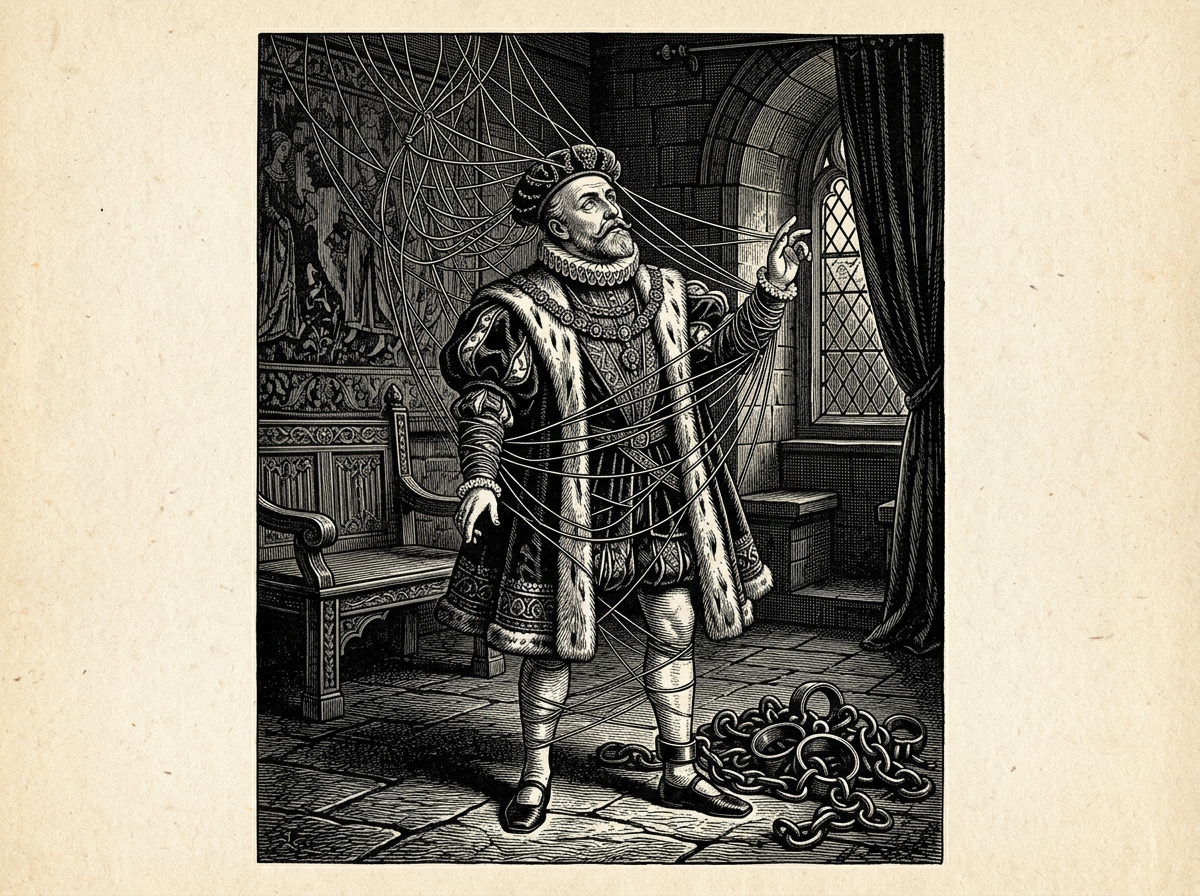
CHIEF DISTORTION: LIFESTYLE OPTIMIZATION
Cold showers cannot save you from self-imposed moral servitude
28 Sept 2026
25th September: The Vulnerability Of Dependence | The Domesticated Reduction of Moral Servitude to Minor Life-Hack Inconveniences
The Text in Question
The Daily Stoic Rendering:
“Show me someone who isn’t a slave! One is a slave to lust, another to greed, another to power, and all are slaves to fear. I could name a former Consul who is a slave to a little old woman, a millionaire who is the slave of the cleaning woman. . . . No servitude is more abject than the self-imposed.” - Seneca, Moral Letters, 47.17
Standard Academic Translation:
"'Show me a man who is not a slave; one is a slave to lust, another to greed, another to ambition, and all men are slaves to fear. I can point out a consular who is a slave to a little old woman, a millionaire who is the slave of a housemaid; I can show you youths of the noblest birth who are slaves to pantomime actors! No servitude is more disgraceful than that which is self-imposed." - Seneca, Moral Letters, 47.17 (trans. Richard M. Gummere)
Academic Context & Breakdown
Seneca penned Letter 47 to his friend Lucilius from his estate in Italy, amid an ancient Roman society built entirely upon the back of literal, brutal human slavery. In a culture where aristocrats held absolute power of life and death over their domestic slaves, Seneca delivered a radical, dangerous proposition: every human body shares the same physical origin, while every human mind remains susceptible to spiritual enslavement.
In Gummere's translation, Seneca exposes the ultimate hypocrisy of elite Roman society. Powerful men consuls, millionaires, nobles mocked the physical chained slaves in their villas while secretly surrendering their own moral sovereignty (prohairesis) to destructive passions, lust, and fear. Seneca’s core point is severe: physical bondage is an external accident of fate, but internal moral servitude (servitus voluntaria) is a self-inflicted disgrace that completely destroys human dignity.
The commentary neuters Seneca's radical assault on moral corruption and rewires it into a trendy wellness checklist for pampered urbanites. It flattens Seneca’s terrifying warning against spiritual degradation into a comfortable routine about managing everyday conveniences. By replacing moral sovereignty with minor self-help challenges, the commentary turns Stoicism into an exercise in lifestyle optimization.
The Opening Counter-Punch
The commentary guts Seneca’s severe moral condemnation of internal slavery and replaces it with a shallow self-improvement menu. It takes an aristocrat's harrowing warning about the degradation of the soul and degrades it into a comfortable prompt to take cold showers and try a temporary diet.
The Breakdown
- The commentary trivializes Seneca’s cosmic warning against moral corruption by pathologizing minor daily habits, claiming that "we’re addicted to our routines, to our coffee, to our comfort, to someone else’s approval." Seneca was not critiquing morning caffeine habits or minor personal quirks; he was attacking catastrophic moral surrenders like unchecked greed, political ambition, and soul-crushing fear. By conflating minor physical habits with systemic moral slavery, the commentary alters Seneca's spiritual critique into routine wellness chatter.
- The commentary replaces Seneca's call for radical internal freedom with superficial lifestyle challenges, asking "have you ever taken a cold shower?" Seneca never suggested that skipping a warm bath or delaying a phone call constituted true freedom from self-imposed servitude. The commentary distorts Seneca's demand for absolute moral autonomy into a series of trendy, opt-in comfort tests that appeal to modern vanity.
- The commentary reduces the terrifying weight of internal moral collapse to a minor bourgeois inconvenience, asking "have you ever driven a friend’s car while the nicer one you own was in the shop?" Seneca was exposing how powerful Roman leaders ruined their integrity and humiliated their souls for power, lust, and status. The commentary swaps out this grave indictment of human weakness for a privileged, self-satisfied lecture on temporary material inconvenience.
The Lesson of the Text
The academic translation teaches that true slavery is not defined by physical chains or external status, but by surrendering your rational mind to internal vices and fears. We apply this by relentlessly identifying where we sacrifice our moral integrity to greed, approval, or fear, cutting those internal dependencies immediately to reclaim our moral agency.
How the Philosopher Would Respond
Seneca would flatly reject this attempt to turn moral freedom into a list of minor wellness habits. He did not write to help you tolerate a cheaper loaner vehicle or endure a cold shower, but to strip away the shameful passions that quietly enslave your soul.
"Will you not reflect that the path to virtue is not smoothed by luxury? You are mistaken if you think that a man can achieve freedom while remaining bound by his own desires." - Seneca, Moral Letters, 90.46
Related dispatches
MAIN ERROR: EGOIC REDUCTION · A Critique of Modern Stoicism
Modern self-help turns Epictetus’s humbling theology into a cheap life hack.
28 Sept 2026
CRITICAL FLAW: TRIVIALIZED TRAUMA · A Critique of Modern Stoicism
Modern Stoicism turns existential trauma into wealth management anxiety.
28 Sept 2026
LIFESTYLE TRAP: BOURGEOIS LEISURE · A Critique of Modern Stoicism
How modern self-help turned Seneca's warnings into resort etiquette.
28 Sept 2026
MAIN ERROR: DOMESTICATED FATE · A Critique of Modern Stoicism
Seneca’s severe confrontation with catastrophe is not a lesson in etiquette.
28 Sept 2026