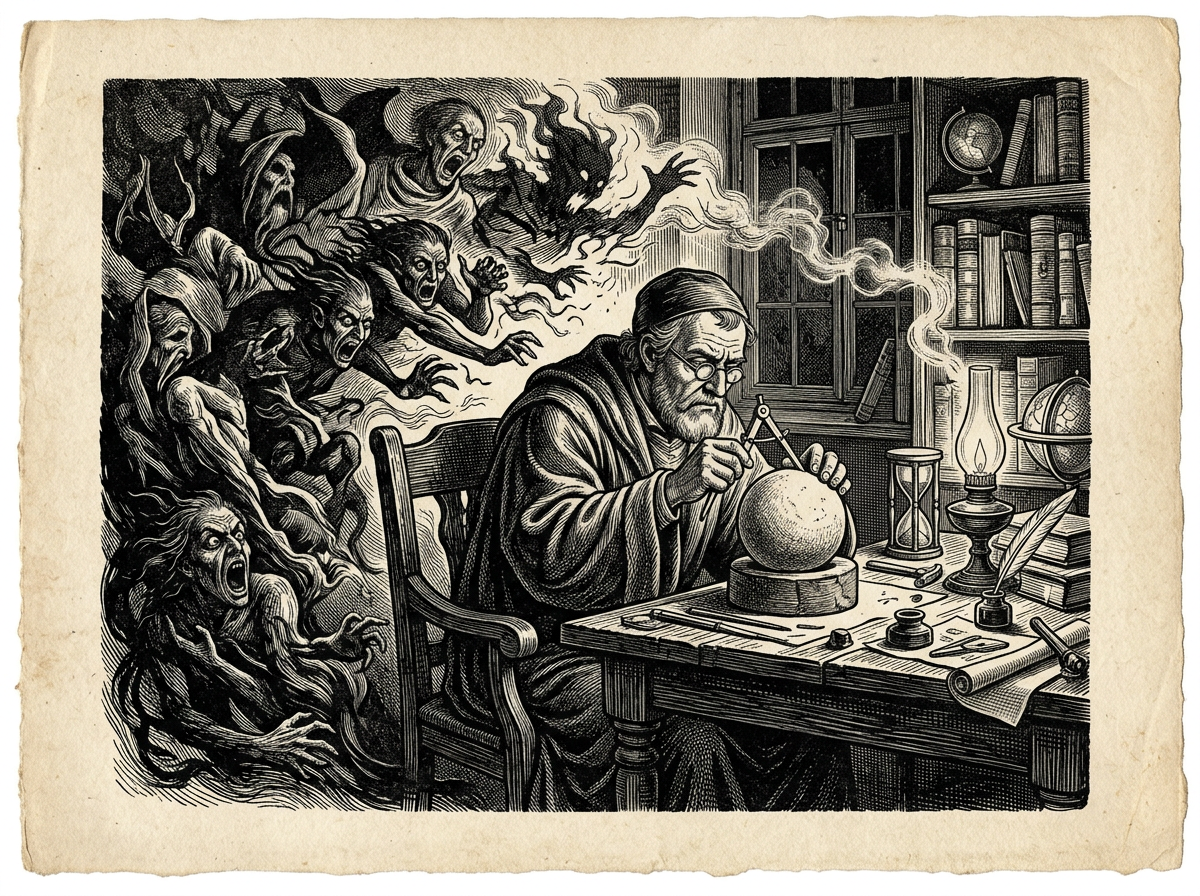
FALSE EQUIVALENCE: STOIC RIGOR
Don't confuse Stoic mental discipline with intellectual posture.
08 Aug 2026
9th August - Stick With Just The Facts
9th August - Stick With Just The Facts
The commentary:
Don’t tell yourself anything more than what the initial impressions report. It’s been reported to you that someone is speaking badly about you. This is the report, the report wasn’t that you’ve been harmed. I see that my son is sick, but not that his life is at risk. So always stay within your first impressions, and don’t add to them in your head this way nothing can happen to you.” MARCUS AURELIUS, MEDITATIONS, 8.49
Chaff & Wheat Analyse:
At first, this can seem like the opposite of everything you’ve been taught. Don’t we cultivate our minds and critical thinking skills precisely so we don’t simply accept things at face value? Yes, most of the time. But sometimes this approach can be counterproductive. What a philosopher also has is the ability, as Nietzsche put it, “to stop courageously, at the surface” and see things in plain, objective form. Nothing more, nothing less. Yes, Stoics were “superficial,” he said, “out of profundity.” Today, while other people are getting carried away, that’s what you’re going to practice. A kind of straightforward pragmatism, seeing things as their initial impressions make them.
Zeroing in on a major flaw in how modern "Daily Stoic
“style commentaries interpret classic texts. This entry completely misinterprets Marcus Aurelius by conflating Stoic control over internal narrative with Nietzschean”
superficiality" and in doing so, misses the exact core of Stoic psychology.
Where the Commentary Missteps
The commentator misinterprets Marcus’s point about objective perception as a call to stop thinking deeply, turning a discipline of rigor into a posture of intellectual superiority.
- Conflating Discipline with "Superficiality" — Quoting Nietzsche to call Stoics "superficial out of profundity" is an oxymoron in Stoicism. Stoics do not stop at the surface level out of pragmatism; they strip away subjective value judgments so they can reason with total clarity.
- Confusing Reason with Emotion — The commentary claims that critical thinking is usually good, but "sometimes counterproductive." In Stoicism, critical thinking (logos) is never counterproductive. What is counterproductive is catastrophizing, adding emotional editorializing to raw facts.
- Self-Admiring Posture — Phrase choices like "while other people are getting carried away, that’s what you’re going to practice" encourage the reader to feel intellectually superior to others. Marcus Aurelius was talking to himself in a private journal to restrain his own mind, not to feel smarter than the crowd.
The Real Meaning of Meditations 8.49
In Stoic epistemology, there is a fundamental distinction between an impression (phantasia) and an assent/judgment (synkatathesis). Marcus is instructing himself on how to manage his own mind:
- Separate Fact from Judgment — The raw impression is neutral data ("someone said bad words"). The judgment is the emotional layer you add to it ("I have been damaged" or "This is terrible").
- Prevent the "Second Impression" — Marcus is warning against letting the mind run wild with projections. A sick child is a factual situation; assuming the child will die is an unevidenced narrative created by fear.
- Protect Inner Peace (Ataraxia) — Facts themselves do not disturb you; your opinions and judgments about those facts do. By refusing to add dramatic stories to plain facts, you maintain psychological control.
The passage isn't about being "superficial" or practicing "pragmatism" to stand out from the crowd. It is a strict internal discipline to prevent your own imagination from causing you unnecessary suffering.
Related dispatches
MAIN ERROR: EGOIC REDUCTION · A Critique of Modern Stoicism
Modern self-help turns Epictetus’s humbling theology into a cheap life hack.
28 Sept 2026
CRITICAL FLAW: TRIVIALIZED TRAUMA · A Critique of Modern Stoicism
Modern Stoicism turns existential trauma into wealth management anxiety.
28 Sept 2026
LIFESTYLE TRAP: BOURGEOIS LEISURE · A Critique of Modern Stoicism
How modern self-help turned Seneca's warnings into resort etiquette.
28 Sept 2026
CHIEF DISTORTION: LIFESTYLE OPTIMIZATION · A Critique of Modern Stoicism
Cold showers cannot save you from self-imposed moral servitude
28 Sept 2026