INNER FREEDOM: MICRO RESISTANCE
The stoic refusal to suffer twice remains a discipline of micro-agency
03 Aug 2026
4th August - No Blame, Just Focus
4th August - No Blame, Just Focus
The commentary:
“You must stop blaming God, and not blame any person. You must completely control your desire and shift your avoidance to what lies within your reasoned choice. You must no longer feel anger, resentment, envy, or regret.”
EPICTETUS, DISCOURSES, 3.22.13
Chaff & Wheat Analyse:
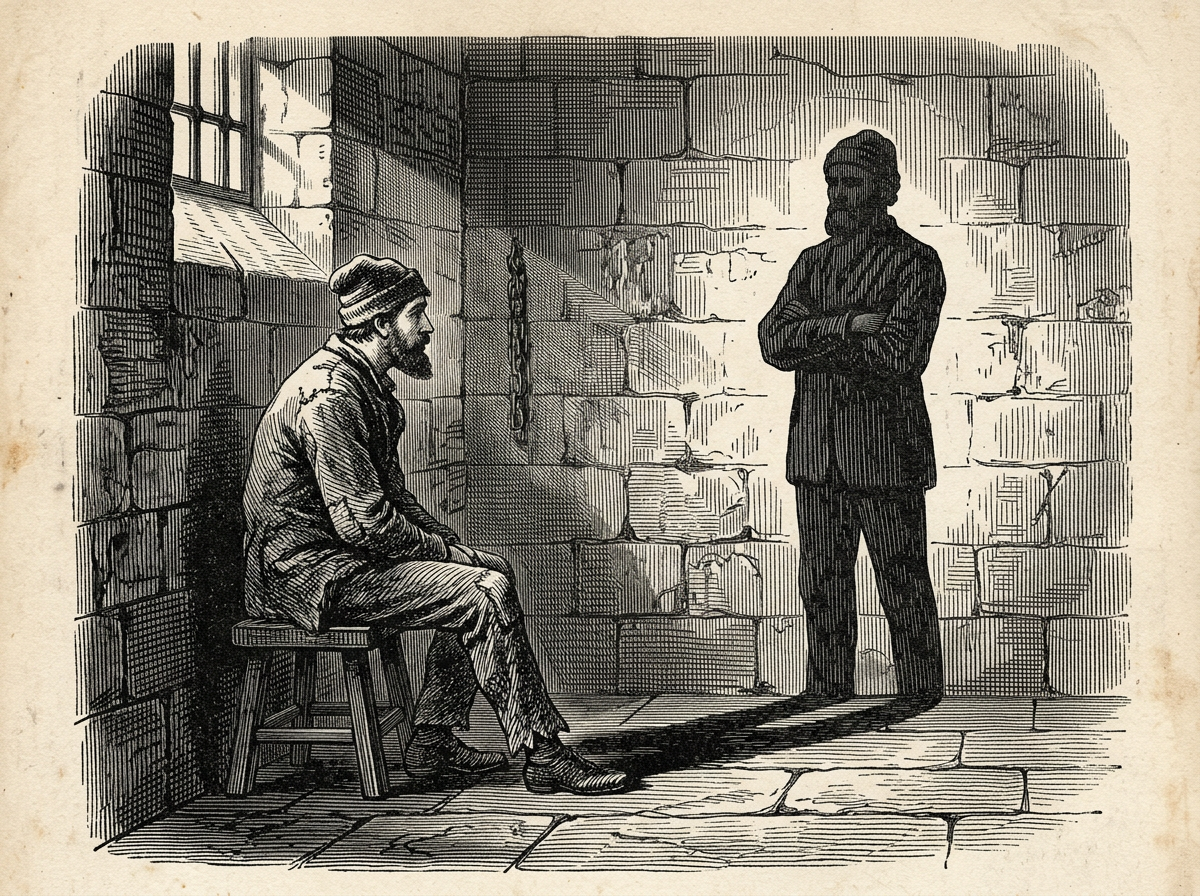
Nelson Mandela was imprisoned for resistance to the brutal apartheid regime in South Africa for twenty-seven years. For eighteen of those years, he had a bucket for a toilet, a hard cot in a small cell, and once a year he was allowed a single visitor, for thirty minutes. It was vicious treatment meant to isolate and break down the prisoners. And yet, in spite of that, Mandela became a figure of dignity within the prison. Though he was deprived of many things, he still found creative ways to assert his will. As one of his fellow prisoners, Neville Alexander, explained on Frontline,
“He [Mandela] always made the point, if they say you must run, insist on walking. If they say you must walk fast, insist on walking slowly. That was the whole point. We are going to set the terms.”
He pretended to jump rope and shadowboxed to stay in shape. He held his head higher than other prisoners, encouraged them when times got tough, and always retained his sense of self-assurance. That self-assurance is yours to claim as well. No matter what happens today, no matter where you find yourself, shift to what lies within your reasoned choices. Ignore, as best you can, the emotions that pop up, which would be so easy to distract yourself with. Don’t get emotional, get focused.
The Meaning of the Passage
In Discourses 3.22.13, the Stoic teacher Epictetus lays out a fundamental framework for personal sovereignty and emotional freedom:
- Eliminate Blame — Stop pointing fingers at external factors, fate, or other people for your mental state. Blame shifts your power away from you and onto things you cannot control.
- Master Desire and Avoidance — Direct your desires and fears only toward things strictly within your power, your decisions, values, and actions. Trying to avoid external hardships (like imprisonment, unfair treatment, or bad weather) leads to anxiety and anger when they inevitably occur.
- Master Your Emotions — Emotions like resentment, envy, and anger stem from believing external events have damaged who you are. By realizing your character remains entirely under your control, these destructive emotions lose their grip.
illustrates this principle through the real-world example of Nelson Mandela during his 27 years of imprisonment under South Africa's apartheid regime. Despite extreme confinement and degradation, Mandela refused to adopt a victim mindset or let his captors dictate his emotional state. He asserted control over what remained in his power, his daily routine, his physical fitness, his dignity, and the pace at which he walked.
The Core Message
is clear: No matter how restricted your external circumstances become, your internal choices remain yours. Don't waste energy getting emotional; focus on what you can control.
What is the Agreement (The Core Argument)?
Epictetus, Nelson Mandela's lived experience, and the commentary all agree on a shared core philosophy:
- The Dichotomy of Control — The world is split into things you can control (your thoughts, actions, and reactions) and things you cannot (other people's behavior, physical constraints, historical events). Focus exclusively on the former.
- Refusing to Suffer Twice — Physical hardship is real, but adding resentment, anger, and bitterness turns physical hardship into psychological torture.
- Micro-Agency — Even under extreme coercion or oppression, a person retains the freedom to choose their attitude and subtle forms of self-determination.
Is It True?
Yes, both psychologically and practically, though it requires crucial nuance.
- Psychological Truth — Cognitive Reframing & Agency
Modern psychology strongly confirms Epictetus's insights. In Cognitive Behavioral Therapy (CBT), distress is understood to stem not directly from external events, but from our interpretations of those events.
- Internal Locus of Control — Individuals who focus on what they can influence rather than what is forced upon them demonstrate far higher resilience, lower rates of depression, and greater capacity to navigate trauma.
- Agency in Confinement — Mandela’s practice of walking slowly when told to run is a classic demonstration of maintaining an internal locus of control. By controlling small behaviors, he preserved his psychological integrity.
- Where Nuance is Needed — Suppressing vs. Processing Emotion
The phrase
“Ignore, as best you can, the emotions that pop up”
requires careful handling from a modern mental health perspective:
- Emotion Regulation vs. Suppression: Modern psychology distinguishes between suppressing emotions (shoving them down, which often leads to physical and mental stress) and regulating them (acknowledging a feeling without letting it dictate your actions).
- Epictetus’s goal was not emotional numbness, but rather examining automatic emotional impulses and choosing not to feed them with irrational thoughts.
The Takeaway: When faced with unfair treatment, hardships, or chaotic situations, getting angry changes nothing about the circumstance, it only robs you of your clarity. Shift your focus away from blame and toward the immediate, practical choices available to you.
Defining the Core Concepts
Stoic Prohairesis (Moral Choice / Reasoned Will)
In the teachings of Epictetus, prohairesis is the supreme, uncoerced faculty of the human soul. It is the capacity to evaluate impressions, make moral choices, and distinguish between what is in our control and what is not.
- Self-Sovereign — Epictetus famously wrote that not even Zeus can conquer a person’s prohairesis.
- The Spark Within — Because human reason is a direct fragment (apospasma) of the universal divine reason (Logos), you already possess everything you need to achieve moral perfection and inner tranquility (ataraxia).
- Salvation as Self-Correction — Virtue is attained through mental discipline, proper judgment, and training (askesis).
Christian Grace (Charis)
In Christian thought, grace is the unmerited, transformative favor and power of God extended to humanity.
- The Fallen Will — Christianity views human reason and will as corrupted by sin (the Fall). While humans retain moral responsibility, reason alone is insufficient to overcome selfishness or achieve true holiness.
- Gift, Not Achievement — Salvation, moral renewal, and spiritual strength are gifts from God, realized through Jesus Christ and animated by the Holy Spirit.
- Salvation as Divine Rescue — Virtue is not built merely by willpower, but is harvested as the "fruit of the Spirit" (Galatians 5:22–23) through a restored relationship with God.
The Theoretical Intersection & Tension
Where They Seem to Agree
To an outside observer, a practicing Stoic and a grace-filled Christian might act similarly in a crisis. Both show remarkable fortitude under persecution, practice emotional restraint, refuse to seek revenge, and focus on duty over momentary pleasure.
Related dispatches
MAIN ERROR: EGOIC REDUCTION · A Critique of Modern Stoicism
Modern self-help turns Epictetus’s humbling theology into a cheap life hack.
28 Sept 2026
CRITICAL FLAW: TRIVIALIZED TRAUMA · A Critique of Modern Stoicism
Modern Stoicism turns existential trauma into wealth management anxiety.
28 Sept 2026
LIFESTYLE TRAP: BOURGEOIS LEISURE · A Critique of Modern Stoicism
How modern self-help turned Seneca's warnings into resort etiquette.
28 Sept 2026
CHIEF DISTORTION: LIFESTYLE OPTIMIZATION · A Critique of Modern Stoicism
Cold showers cannot save you from self-imposed moral servitude
28 Sept 2026