CORE TRAP: ROLE ENGULFMENT
The dignity of stepping down before your career consumes you
29 Jul 2026
31st July - Your Career is Not a Life Sentence
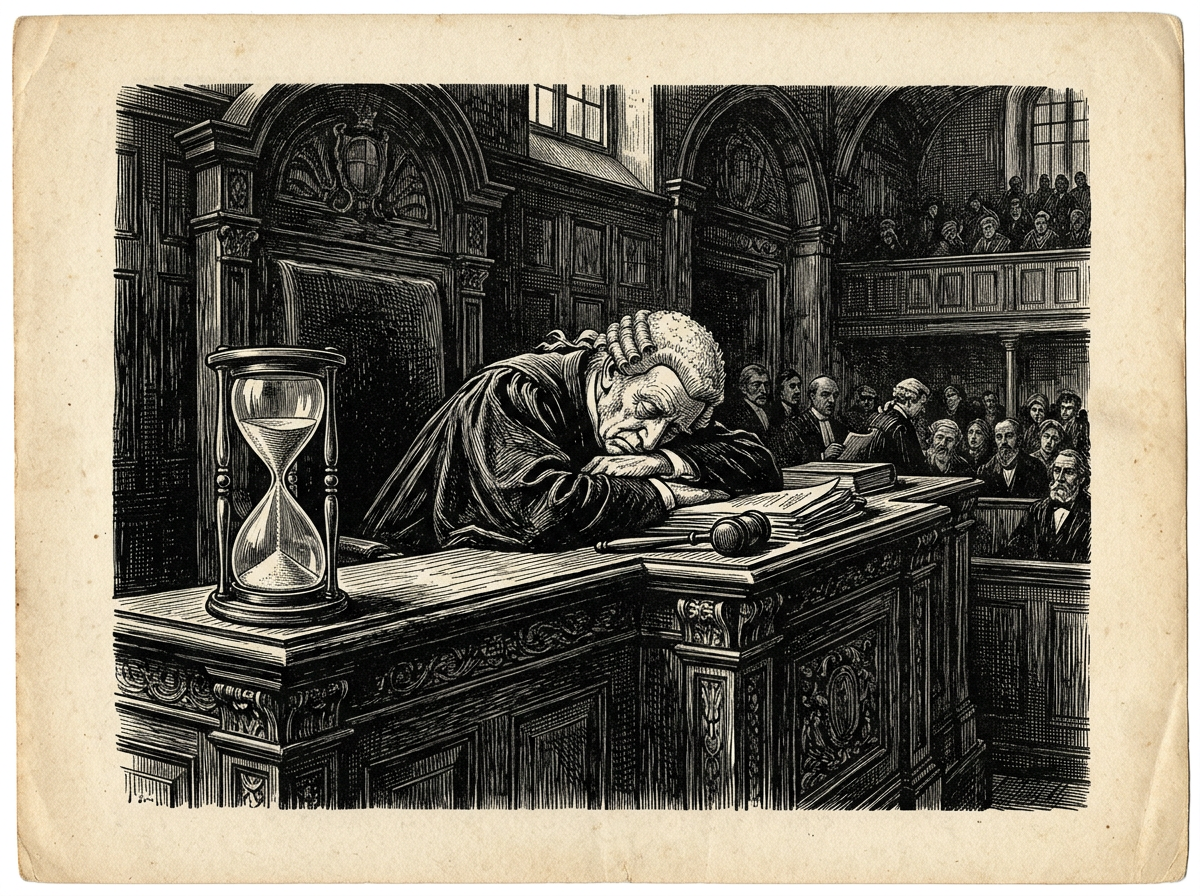
“How disgraceful is the lawyer whose dying breath passes while at court, at an advanced age, pleading for unknown litigants and still seeking the approval of ignorant spectators.”
—SENECA, ON THE BREVITY OF LIFE, 20.2
The commentary:
Every few years, a sad spectacle is played out in the news. An old millionaire, still lord of his business empire, is taken to court. Shareholders and family members go to court to argue that he is no longer mentally competent to make decisions—that the patriarch is not fit to run his own company and legal affairs. Because this powerful person refused to ever relinquish control or develop a succession plan, he is subjected to one of life’s worst humiliations: the public exposure of his most private vulnerabilities. We must not get so wrapped up in our work that we think we’re immune from the reality of aging and life. Who wants to be the person who can never let go? Is there so little meaning in your life that your only pursuit is work until you’re eventually carted off in a coffin? Take pride in your work. But it is not all.
Chaff & Wheat Analyse:
The Meaning of the Passage
This passage is a warning about the dangers of letting your career entirely consume your identity.
Seneca uses the example of an elderly lawyer who works literally until his dying breath, desperately seeking the applause of strangers in a courtroom rather than enjoying the final years of his life. The modern commentary connects this to aging billionaires or CEOs who refuse to retire. Because their entire sense of self-worth is tied to their title and power, they cling to it until they lose their mental faculties, forcing their families or shareholders to painfully and publicly strip them of their roles.
The Core Meaning
is: Your job is something you do, not who you are. If you don't build a life, hobbies, and relationships outside of your career, you will have nothing to fall back on when you inevitably age, retire, or lose that job.
What is the Agreement (The Core Argument)?
Seneca and the modern author (Ryan Holiday) are agreeing on a fundamental truth about human ego and the brevity of life:
- Work is a terrible master — Taking pride in your work is noble, but allowing it to dictate your entire self-worth is a trap. If your life has no meaning outside the office, you are living a very narrow existence.
- The tragedy of external validation — The lawyer dies seeking the approval of "ignorant spectators." The aging CEO clings to power for the approval of the market. Both are tragic because they are wasting their precious final days chasing the fleeting opinions of strangers.
- The necessity of letting go — Aging and decline are unavoidable realities. True dignity lies in recognizing when it is time to step aside, pass the baton, and enjoy a quiet, private life, rather than being dragged out of your career fighting tooth and nail.
Is It True?
Yes—both philosophically and psychologically.
What the
Stoics observed 2,000 years ago is a well-documented phenomenon in modern psychology known as role engulfment (when a person's identity becomes entirely defined by a single role, like their job).
Here is why this passage rings incredibly true today:
- The Retirement Cliff — Psychologists and gerontologists frequently see severe depression, anxiety, and a rapid decline in health among high-achievers immediately after they retire. Because they spent decades neglecting their personal lives for their careers, losing their job title feels like losing their very existence. They don't know what to do with themselves.
- The "Sad Spectacle" is real — We see this constantly in the real world. Politicians who refuse to retire well into their late 80s despite obvious cognitive decline, or media moguls like Sumner Redstone, whose final years were marred by ugly, public legal battles over his mental competence because he refused to implement a succession plan.
- The illusion of indispensability — People who overwork often suffer from the ego-driven belief that the company, the court, or the world cannot function without them. The harsh reality is that a few weeks after that lawyer dies, or that CEO steps down, the machine keeps running perfectly fine without them.
The Takeaway: It is wonderful to be dedicated to your craft. But you must cultivate an identity outside of it. You need to know who you are when the suit comes off, the laptop closes, and the title is gone.
Related dispatches
MAIN ERROR: EGOIC REDUCTION · A Critique of Modern Stoicism
Modern self-help turns Epictetus’s humbling theology into a cheap life hack.
28 Sept 2026
CRITICAL FLAW: TRIVIALIZED TRAUMA · A Critique of Modern Stoicism
Modern Stoicism turns existential trauma into wealth management anxiety.
28 Sept 2026
LIFESTYLE TRAP: BOURGEOIS LEISURE · A Critique of Modern Stoicism
How modern self-help turned Seneca's warnings into resort etiquette.
28 Sept 2026
CHIEF DISTORTION: LIFESTYLE OPTIMIZATION · A Critique of Modern Stoicism
Cold showers cannot save you from self-imposed moral servitude
28 Sept 2026